
The Evolution of Convenience: How Biodegradable Zip Lock Pouches Are Changing Sustainable Packaging
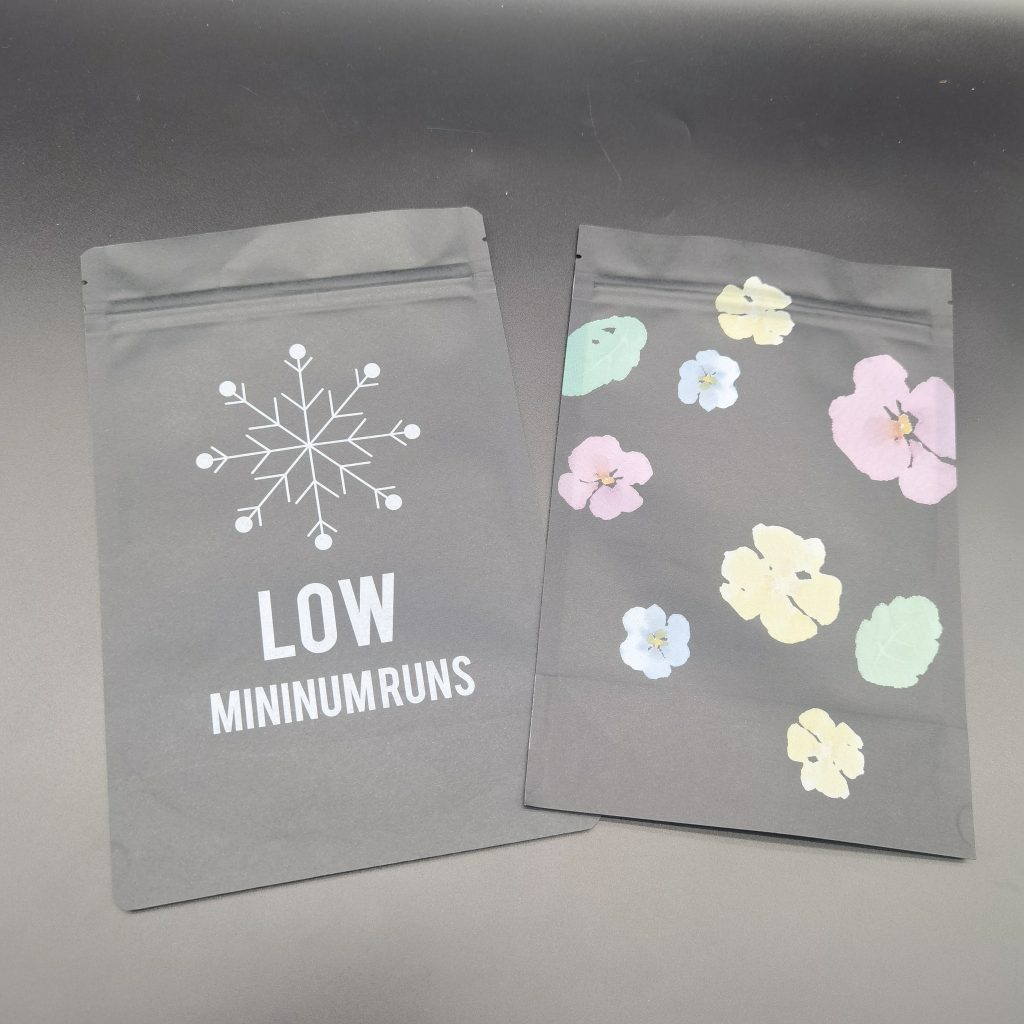
The packaging industry is witnessing a significant shift toward sustainable solutions that don’t compromise functionality, and biodegradable zip lock pouches represent one of the most promising developments in this space. These innovative packages combine the user-friendly convenience of resealable closures with genuine environmental benefits, addressing one of the most challenging aspects of sustainable packaging: maintaining product freshness through multiple uses while ensuring complete biodegradability. Modern biodegradable zip lock pouches feature advanced closure systems that provide reliable sealing performance through numerous open-close cycles, yet break down completely in appropriate environmental conditions. The emergence of biodegradable zip lock pouches marks a crucial advancement in packaging technology, offering consumers the practicality they expect while delivering on the sustainability promises that are becoming increasingly important in today’s eco-conscious marketplace.

Understanding Biodegradable Plastic Packaging Bags
While biodegradable zip lock pouches offer specialized functionality, the broader category of biodegradable plastic packaging bags encompasses a wide range of sustainable packaging solutions serving various industries and applications. These environmentally conscious containers are engineered to break down naturally through biological processes, unlike conventional plastics that persist in the environment for centuries. The technology behind biodegradable plastic packaging bags has evolved considerably, with contemporary versions offering improved durability, enhanced protective qualities, and reliable performance while maintaining their biodegradable properties. It’s essential to recognize that authentic biodegradable plastic packaging bags must meet specific standards and certifications to ensure they decompose completely without leaving harmful residues in the environment.
Material Innovations and Technological Advances
The effectiveness of modern sustainable packaging solutions depends heavily on continuous innovation in material science and manufacturing technologies. Contemporary biodegradable zip lock pouches utilize specialized compostable zipper systems made from materials such as PLA (polylactic acid) or PHA (polyhydroxyalkanoates) that maintain their sealing properties throughout the product’s lifespan while breaking down efficiently in appropriate environments. Similarly, advanced biodegradable plastic packaging bags benefit from developments in polymer technology, with new formulations offering enhanced barrier properties, longer shelf life, and improved mechanical strength while maintaining biodegradability. These technological advances have successfully addressed previous limitations in performance and durability, making sustainable packaging viable for an expanding range of applications, including those requiring extended product protection and multiple usage cycles.
Certification and Compliance Standards
The credibility and effectiveness of sustainable packaging depend significantly on rigorous certification processes and compliance with international standards. Reputable manufacturers ensure their biodegradable zip lock pouches meet established environmental criteria, often carrying certifications that verify their sustainable attributes and proper decomposition characteristics. For biodegradable plastic packaging bags, certification is particularly crucial, as it confirms the packaging will break down as claimed under specific conditions within defined timeframes. These standards help prevent “greenwashing” and provide both businesses and consumers with confidence that the packaging they choose genuinely contributes to environmental protection rather than merely making unsubstantiated ecological claims.
Consumer Education and Market Acceptance
The successful implementation and environmental benefits of sustainable packaging solutions require ongoing consumer education and growing market acceptance. Brands implementing biodegradable zip lock pouches increasingly focus on communicating both the practical benefits and proper disposal methods to their customers. This educational effort is equally important for biodegradable plastic packaging bags, as consumers need to understand the specific conditions required for proper breakdown and the importance of appropriate disposal methods. As awareness grows and consumers become more knowledgeable about sustainable packaging options and their proper handling, market acceptance continues to increase, driving further innovation and adoption across diverse industry sectors.
Performance and Functional Considerations
Modern sustainable packaging must satisfy the same rigorous performance standards as conventional options while delivering verified environmental benefits. Today’s biodegradable zip lock pouches offer reliable closure systems that maintain seal integrity through multiple uses, combined with sufficient barrier properties to protect contents from moisture, contaminants, and environmental factors. The performance of biodegradable plastic packaging bags has also improved substantially, with current versions providing adequate protection for various products while ensuring they will break down properly at end-of-life. Manufacturers continue to enhance the functional qualities of both packaging types, focusing on areas such as extended freshness preservation, improved durability, and enhanced resistance to transportation and handling stresses.
Economic Viability and Supply Chain Integration
The economic feasibility and seamless integration into existing supply chains are crucial factors in the widespread adoption of sustainable packaging solutions. The production of biodegradable zip lock pouches has become increasingly cost-competitive as manufacturing processes improve, production scales increase, and raw material costs decrease. Similarly, biodegradable plastic packaging bags have seen cost reductions through technological advancements and growing availability of sustainable raw materials. Both packaging types are designed to work efficiently with standard filling and handling equipment, facilitating smoother integration into existing production lines and supply chain operations without requiring substantial capital investment in new machinery or significant process modifications.
Environmental Impact and Lifecycle Assessment
Understanding the complete environmental implications of packaging requires comprehensive lifecycle assessment that considers all stages from raw material sourcing to end-of-life processing. Biodegradable zip lock pouches are typically designed with a focus on reducing overall environmental impact through careful material selection, manufacturing efficiency, and appropriate end-of-life considerations. The ecological benefits of biodegradable plastic packaging bags are most fully realized when they are properly disposed of in suitable waste management systems that facilitate their complete breakdown. Both packaging approaches contribute to reducing plastic pollution and conserving resources, though their specific environmental advantages may vary based on application specifics, material composition, and local disposal infrastructure and practices.
Future Trends and Industry Direction
The sustainable packaging sector continues to evolve rapidly, with several emerging trends shaping its future direction and development priorities. Innovation in biodegradable zip lock pouches is focusing on developing new materials with improved sustainability profiles and enhanced functional properties, including better sealing reliability and increased durability. The future of biodegradable plastic packaging bags includes advancements in decomposition efficiency and the development of materials that degrade effectively under various environmental conditions. The industry is also exploring smart packaging technologies that can be incorporated into sustainable packaging solutions, adding functionality while maintaining environmental benefits. These progressive developments promise to further improve the performance, accessibility, cost-effectiveness, and ecological contribution of sustainable packaging in the coming years.
Conclusion: The Path Forward for Sustainable Packaging
The growing adoption and continuous improvement of biodegradable zip lock pouches and biodegradable plastic packaging bags represent significant progress in the packaging industry’s movement toward greater environmental responsibility and circular economy principles. These innovative solutions demonstrate convincingly that it’s possible to create packaging that effectively meets practical requirements while seriously addressing environmental concerns. As technology advances, consumer awareness increases, regulatory frameworks evolve, and sustainable materials become more accessible, environmentally responsible packaging will continue to play an increasingly vital role in reducing the ecological impact of product packaging across numerous sectors. Through continued innovation, cross-industry collaboration, and genuine commitment to sustainability, the packaging industry can provide effective solutions that protect products while also protecting the planet for future generations.
You can visit our website to know more about our flexible packaging pouch: