
The Performance-Sustainability Convergence: High Barrier Pouch Technology Meets Recyclable Spout Pouches
The packaging industry stands at a pivotal intersection where high-performance protection and circular economy principles are no longer competing priorities but integrated design requirements. At the heart of this evolution lies the high barrier pouch, a format traditionally celebrated for its exceptional ability to shield sensitive products from oxygen, moisture, and light. Today, these workhorses of the flexible packaging world are being fundamentally reimagined through the lens of recyclability, giving rise to innovations like recyclable spout pouches that maintain rigorous protection while enabling genuine end-of-life recovery. This convergence represents one of the most significant shifts in modern packaging—a recognition that true performance must be measured not only by shelf life extension but by a package’s ability to re-enter the material stream. As regulatory pressures mount and consumer expectations evolve, the integration of high-barrier functionality with circular design is redefining what it means to be a premium packaging solution in 2026 and beyond.
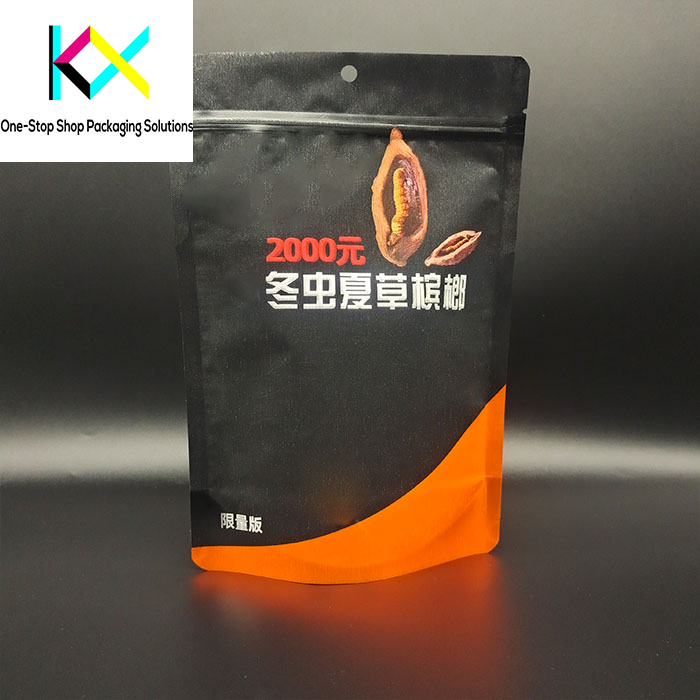
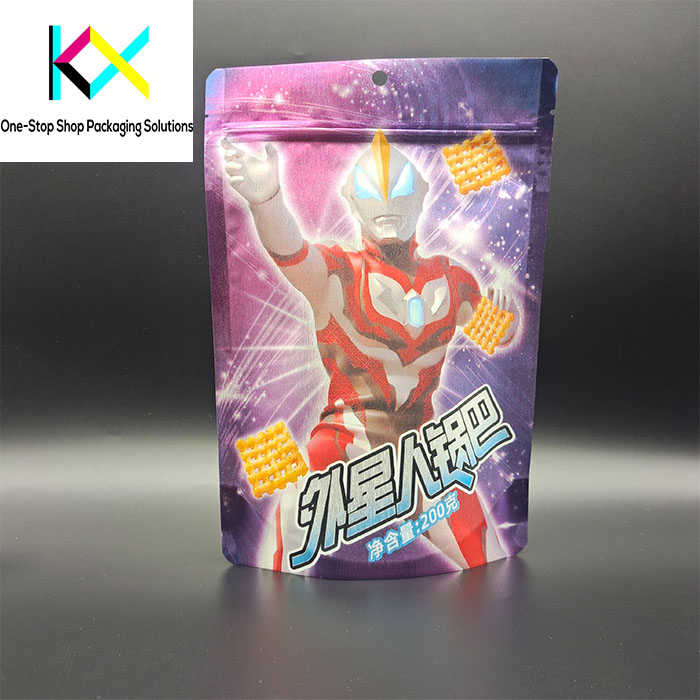
The Mono-Material Breakthrough in High Barrier Structures
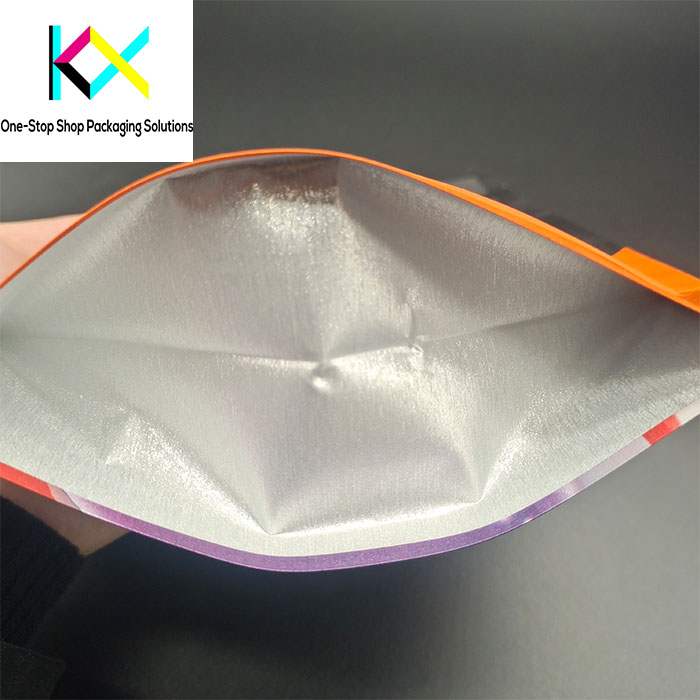
For decades, achieving the oxygen and moisture transmission rates required for sensitive products necessitated complex multi-layer laminates combining different polymers with aluminum foil. These structures, while effective, created an insurmountable recycling challenge. The current revolution in high barrier pouch design centers on mono-material innovation—engineered structures using a single polymer family, typically advanced polyethylene (PE) or polypropylene (PP), that achieve barrier performance comparable to traditional multi-layer formats .These next-generation films utilize sophisticated co-extrusion technologies and specialized barrier layers, such as thin EVOH (ethylene vinyl alcohol) components maintained within accepted limits for recyclability . The result is a high barrier pouch that protects oxygen-sensitive products like baby food, sauces, and nutritional supplements while remaining compatible with existing polyolefin recycling streams. This breakthrough directly addresses the long-standing conflict between premium product protection and real-world recyclability, establishing a new baseline for responsible packaging design.
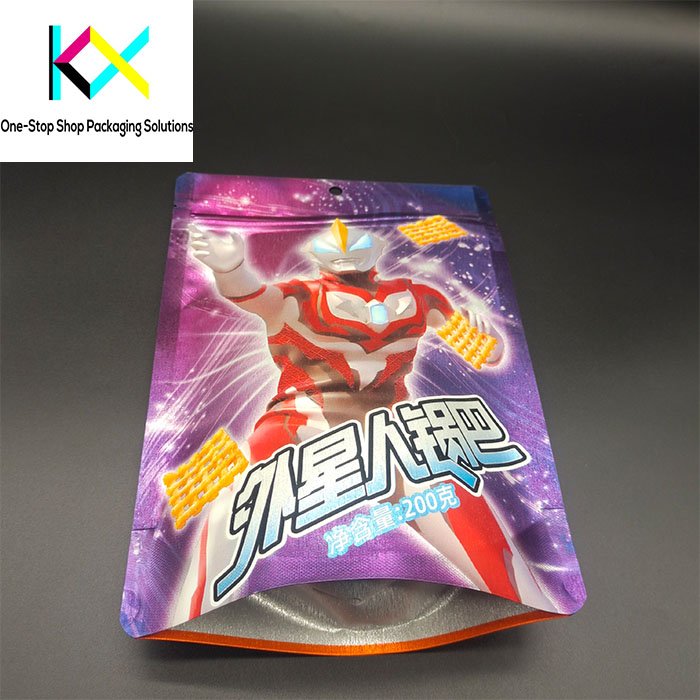
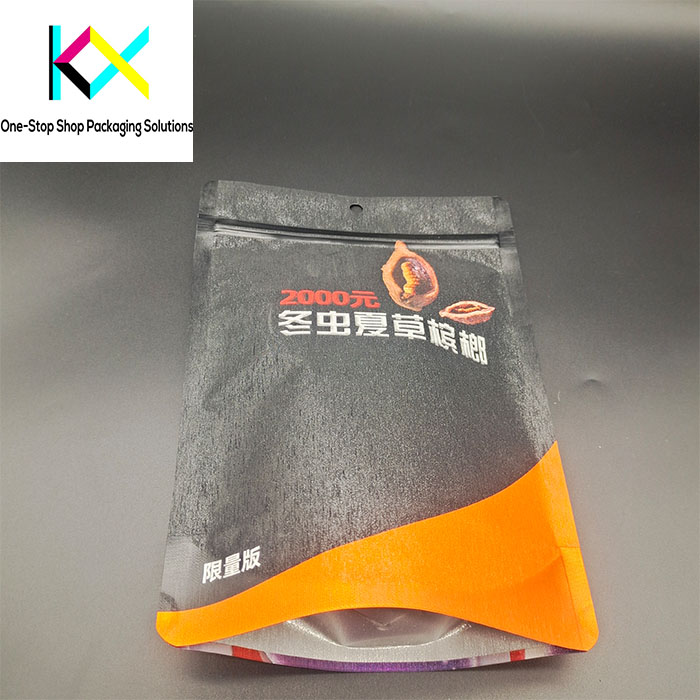
Engineering Recyclability into Spouted Formats
The recyclable spout pouch represents an even more complex engineering challenge. Integrating a dispensing spout—traditionally made from different materials—into a recyclable pouch structure requires holistic design thinking. Industry leaders are responding with innovations like Amcor’s collaboration with Stonyfield Organic, which introduced the first full-PE spouted pouch featuring AmprimA Plus mono-material film and compatible spout technology . This pioneering solution replaces traditional multi-material packaging with a design optimized for recycling without compromising functionality.
Similarly, Cheer Pack North America’s CHEERCircle™ PE Recycle-Ready spouted pouches incorporate post-consumer recycled (PCR) content and Vizi™ caps, demonstrating that recyclable spout pouches can achieve material efficiency while reducing overall package weight—a critical factor in Extended Producer Responsibility (EPR) fee structures . These developments prove that even the most functionally demanding formats can be redesigned for circularity.
The EPR Driver and Regulatory Alignment
The transition to recyclable high-barrier and spouted formats is being accelerated by regulatory frameworks that assign financial responsibility to packaging producers. As EPR programs take effect in jurisdictions like Oregon, Colorado, and California under SB-54, brands face escalating fees for packaging that is difficult to recycle . This creates a powerful economic incentive to adopt recyclable spout pouches and mono-material high barrier pouch solutions that qualify for reduced fee structures through eco-modulation.
Material efficiency and design-for-recyclability principles are now central to packaging strategy, not optional add-ons. Brands that proactively transition to recyclable formats position themselves favorably in an increasingly regulated landscape, mitigating compliance risk while demonstrating environmental leadership.

E-Commerce Durability and Performance Validation
As pouches increasingly serve as primary packaging in direct-to-consumer channels, their performance requirements have expanded beyond the retail shelf. Modern high barrier pouch designs must survive the “delivery gauntlet”—the shocks, compression, and temperature fluctuations inherent in e-commerce fulfillment . This demands enhanced seam strength, puncture-resistant outer layers, and spout locking mechanisms that prevent leakage during transit.
For recyclable spout pouches, this means engineering closure systems that remain securely sealed throughout the logistics journey while maintaining compatibility with recycling streams. Innovations like flow-control spouts and tamper-evident features must be integrated without compromising the mono-material structure . This dual focus on durability and circularity ensures that next-generation pouches perform across all touchpoints—from filling line to doorstep to recycling facility.
Consumer Experience and the Role of the Spout
The spout is the critical interface between product and user, and its design significantly influences perceived value and satisfaction. Modern recyclable spout pouches are incorporating ergonomic, no-drip spouts, integrated measuring caps, and child-resistant closures that enhance usability while supporting source reduction . For products ranging from baby food to liquid detergents, the dispensing experience directly impacts brand loyalty.
The integration of smart features, such as QR codes linking to recycling instructions or product information, is also gaining traction . These digital touchpoints transform the high barrier pouch from passive container into interactive brand ambassador, fostering consumer engagement while educating on proper disposal—a critical link in the circular economy chain.
Market Growth and Industry Investment
The commercial momentum behind these innovations is substantial. The global spouted pouches market is projected to grow from $37.5 billion in 2025 to $41 billion in 2026, with a compound annual growth rate of 9.3%, driven by increasing demand for on-the-go consumption, space-efficient packaging, and sustainable solutions . By 2030, the market is expected to reach $56.4 billion, fueled by investments in circular packaging technologies and regulatory mandates .
Major players are responding with dedicated platforms. ProAmpac’s ProActive Recyclable® R-2300 series, designed for applications including spouted pouches, delivers strong durability and barrier protection while supporting recyclability . Constantia Flexibles’ EcoVer Mono-PP Retort Pouch exemplifies the trend toward high-performance mono-material solutions capable of withstanding rigorous retort processes . These industry-wide investments signal that the future belongs to packaging that combines uncompromised protection with genuine circularity.
Conclusion: A New Standard for Premium Packaging
The evolution of the high barrier pouch into formats that are both protective and recyclable, and the emergence of truly circular recyclable spout pouches, mark a defining moment for flexible packaging. No longer must brands choose between product integrity and environmental responsibility. Through mono-material innovation, thoughtful spout design, and alignment with regulatory frameworks, the industry is delivering solutions that honor both performance requirements and planetary boundaries.
For forward-thinking brands, adopting these next-generation pouches is a strategic imperative—one that mitigates regulatory risk, meets consumer expectations for convenience and sustainability, and contributes to a circular economy where packaging waste is designed out of existence. The convergence of high barrier performance and recyclability is not just a trend; it is the new standard for excellence in flexible packaging.
You can visit our website to know more about our flexible packaging pouch: