Biodegradable Plastic Bags for Food Packaging: Navigating the Path from Ambition to Reality
The conversation around environmental responsibility in the food industry is increasingly focused on end-of-life solutions, propelling biodegradable plastic bags for food packaging into the spotlight. This category promises a future where packaging can break down naturally after use, offering an appealing alternative to conventional plastics that persist for centuries. However, the journey from this ambitious concept to effective, real-world application is complex, requiring clarity on definitions, advancements in material science, and a robust supporting infrastructure. The industry’s current dynamics are not just about creating these materials but ensuring they fulfill their promise in a meaningful and verifiable way.

Demystifying “Biodegradable”: Beyond the Marketing Term
A significant challenge in this sector is the widespread and often misleading use of the term “biodegradable.” Scientifically, it simply means a material can be broken down by microorganisms. Crucially, it does not specify a timeframe, required conditions, or whether it leaves behind harmful residues. This ambiguity has led to confusion and skepticism. The most responsible iterations of biodegradable plastic bags for food packaging are those certified to established standards (like ASTM D6400 or EN 13432) for industrial composting. These certifications guarantee the material will disintegrate safely within a specific period under managed conditions, transforming the claim from a vague marketing slogan into a measurable performance attribute.
The Rise of Hybrid Solutions: Merging Function with Form
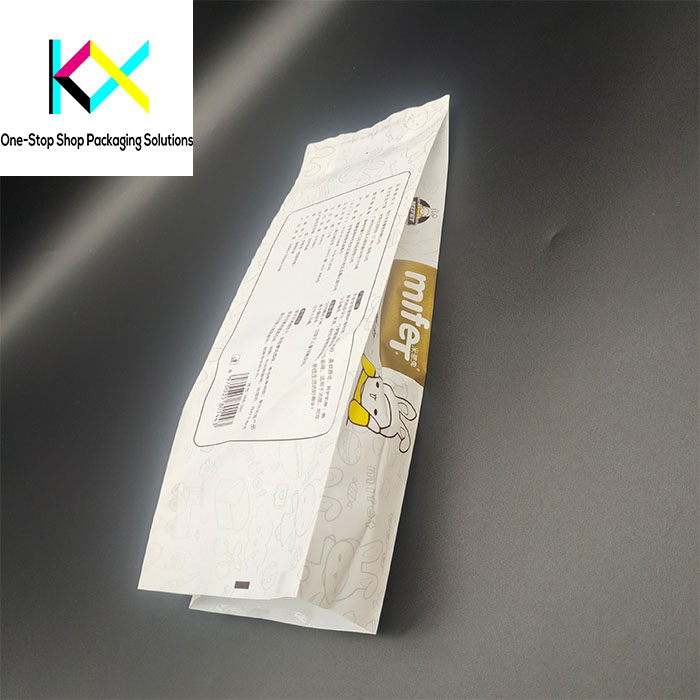
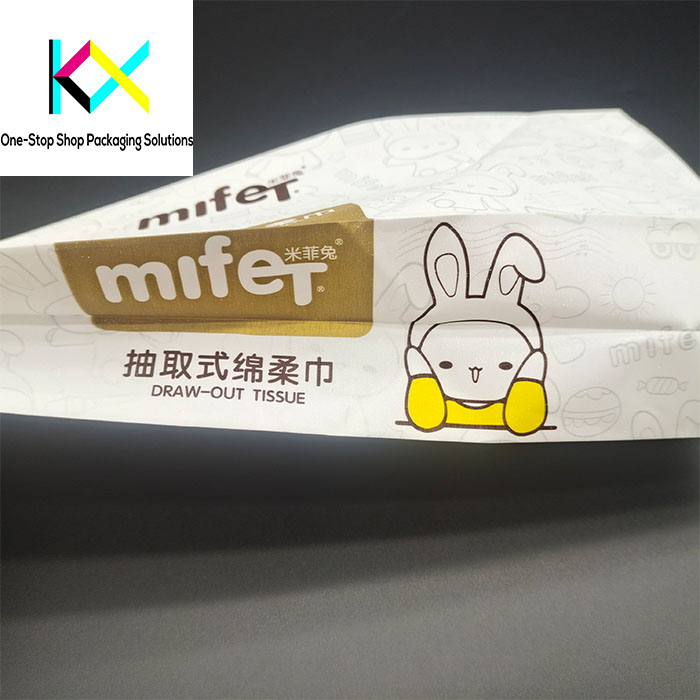
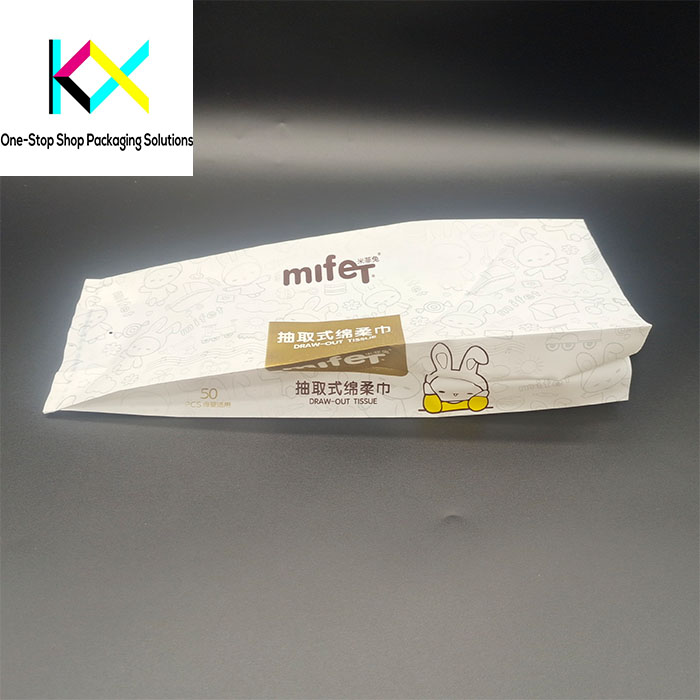
Recognizing the functional limitations of early biopolymers, the industry is innovating with hybrid structures that enhance performance. A prime example is the development of the biodegradable kraft stand up pouch. This design ingeniously combines the natural, rustic appeal and mechanical strength of kraft paper with a thin, certified compostable plastic liner. This liner, often made from materials like PLA (polylactic acid), provides the essential moisture and grease barriers that pure paper cannot. The result is a functional pouch that maintains product freshness while presenting a clear environmental narrative. The entire structure can be designed to be compatible with commercial composting facilities, addressing the end-of-life question for both components simultaneously.
Performance Under Scrutiny: The Barrier Challenge
For food applications, protection is non-negotiable. Traditional plastics excel at providing barriers against oxygen, moisture, and aromas. Matching this performance with biodegradable plastic bags for food packaging has been a historic hurdle. Current advancements are tackling this through multi-layer laminates using different biopolymers, nanocoatings, and advanced polymer blending. The goal is to achieve shelf-life parity with conventional options. For instance, the plastic liner in a biodegradable kraft stand up pouch is now engineered to offer far superior barrier properties than its predecessors, making it suitable for a wider range of dry foods, snacks, and even some granular products that require freshness preservation.
Infrastructure: The Make-or-Break Ecosystem
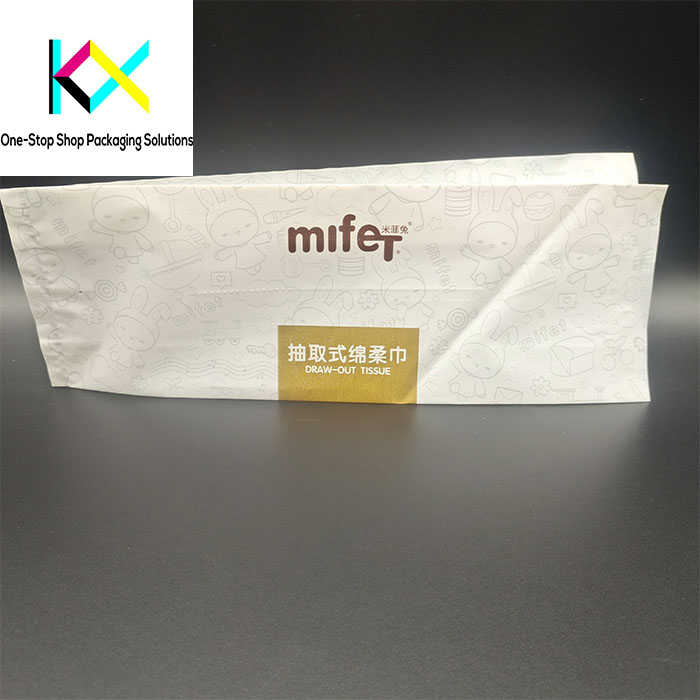
A biodegradable package’s environmental promise is entirely theoretical without the proper disposal pathway. The most critical dynamic today is the mismatch between the production of these packages and the availability of industrial composting facilities. Many certified materials require the specific high-temperature conditions of such facilities to break down efficiently within the promised timeframe. Home composting often cannot achieve this. Therefore, the true sustainability of biodegradable plastic bags for food packaging is inextricably linked to investments in waste management infrastructure and clear consumer education. Brands leading in this space are not just selling a pouch; they are often advocating for and educating on the systems needed to support it.
Lifecycle Perspective: A Holistic View of Impact
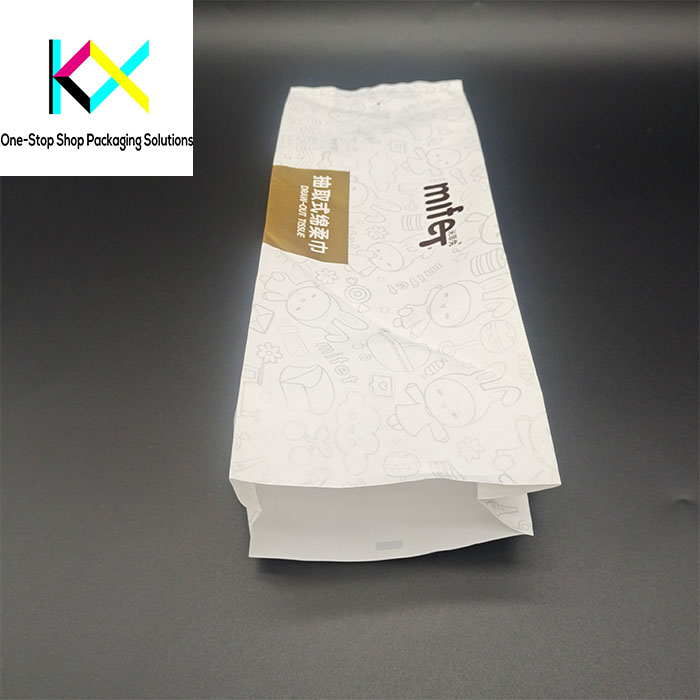
A comprehensive evaluation must look beyond disposal. The sustainability of these materials involves assessing their entire lifecycle—from feedstock sourcing (e.g., corn, sugarcane, or cellulose) to manufacturing energy, transportation, and final decomposition. Some biopolymers are derived from renewable, plant-based resources, which can reduce dependence on fossil fuels and sequester carbon during growth. However, if not managed responsibly, agricultural inputs and processing can have their own environmental footprint. Transparent lifecycle assessments (LCAs) are becoming essential tools for brands to make informed choices and avoid unintended consequences, ensuring that the shift to a biodegradable kraft stand up pouch represents a genuine net-positive for the environment.
Conclusion: Responsible Innovation as the Way Forward
The evolution of biodegradable plastic bags for food packaging represents a crucial, albeit complex, strand of the packaging industry’s sustainable future. It is a field moving from idealism to pragmatism. Success lies in a rigorous, science-based approach: prioritizing certified materials, investing in performance innovation as seen in advanced hybrid structures like the biodegradable kraft stand up pouch, and actively participating in building the necessary recovery ecosystems. For brands, the opportunity is to embrace this innovation with eyes wide open—choosing solutions that offer not just a compelling story, but verifiable integrity and functional reliability, thereby building deeper trust with the environmentally conscious consumer.
You can visit our website to know more about our flexible packaging pouch: