
The Rise of Compostable Food Packaging Bags: A New Chapter for Flexible Packaging
The soft packaging industry is at a pivotal crossroads, driven by a global demand for genuine sustainability. For years, the conversation centered on recyclability, but a new, more profound solution is gaining significant traction: compostable food packaging bags. These innovative materials represent a paradigm shift, moving beyond the linear “take-make-dispose” model to a circular one where packaging returns to the earth, enriching the soil rather than polluting the environment. This isn’t just a niche trend; it’s a fundamental rethinking of packaging’s end-of-life, offering a tangible solution to the persistent problem of organic waste contamination.
Beyond the Bin: The Composting Imperative
A significant challenge with traditional flexible packaging, even some deemed recyclable, is its incompatibility with organic waste. Food residues contaminate recycling streams, and conversely, plastic packaging mixed with food waste hinders composting. This is where the unique value proposition of certified compostable food packaging bags shines. Designed to break down in industrial composting facilities alongside the food scraps they contain, they create a clean, efficient waste stream. This dual functionality—protection during use and seamless integration into organic waste management—positions these materials as a critical tool for municipalities and businesses aiming to achieve zero-waste targets and reduce landfill burden.
The Specialty Coffee Conundrum and Material Innovation
The specialty coffee sector has long been a frontrunner in sustainable sourcing but faces a packaging dilemma. The need for high-barrier protection to preserve freshness and aroma often conflicts with end-of-life responsibility. While many roasters have adopted recyclable coffee bags, the reality of recycling them is complex. These pouches often combine different materials and require specific, not always accessible, recycling pathways. This gap between theory and practice has spurred material scientists to develop next-generation polymers derived from renewable sources like corn starch, PLA (polylactic acid), and PBAT (polybutylene adipate terephthalate). These advanced biomaterials are engineered to offer the necessary barrier properties while being certified to break down into non-toxic compost.
A Harmonized Approach: Compostable and Recyclable Solutions
It is crucial to understand that the future of sustainable packaging is not a single-solution battlefield. The industry is moving towards a harmonized system where the choice of material is dictated by the product’s lifecycle and local infrastructure. For products that naturally generate organic waste, such as fresh produce or coffee grounds, compostable food packaging bags present a logically coherent solution. The bag and its contents share the same destination. For dry goods or in regions with robust recycling streams, advanced mono-material recyclable coffee bags offer a viable, circular alternative. The key is intentional design and clear consumer communication to ensure proper disposal.
The Digital Thread: Transparency and Traceability
Modern sustainability is digital. A fascinating dynamic in the soft packaging sector is the integration of smart technologies like QR codes and NFC chips directly onto packs. This allows brands to tell a deeper story. A consumer can scan a compostable food packaging bag to find the nearest industrial composting facility or verify its certification. Similarly, a recyclable coffee bag can direct the user to a precise map of drop-off locations, demystifying the recycling process. This digital layer bridges the information gap, empowering consumers to act correctly and fostering greater trust in a brand’s environmental claims.
Economic Viability and Scaling Production
A common critique of sustainable packaging has been its cost. However, as production of biomaterials scales and technology advances, the economic landscape is shifting. The cost gap between conventional plastics and materials for compostable food packaging bags is narrowing. Furthermore, businesses are beginning to factor in the “hidden costs” of traditional packaging—such as landfill fees, brand damage from environmental criticism, and potential regulatory penalties—making sustainable alternatives a more attractive long-term investment. Economies of scale and continued innovation are poised to make these options the new economic norm.
The Consumer's Role in Closing the Loop
The most sophisticated, sustainable package is only as effective as the consumer who disposes of it. Therefore, education is paramount. Brands have a responsibility to use unmistakable labeling. Icons indicating “Industrial Compostable” or Store Drop-Off for “Recyclable Coffee Bags” must be clear and consistent. Public awareness campaigns about the differences between home compostable, industrially compostable, and recyclable are essential for building an effective recovery ecosystem. The success of this new packaging paradigm relies on a collaborative effort between producers, municipalities, and informed citizens.
Looking Ahead: A Multi-Faceted Future for Flexible Packaging
The evolution of soft packaging is accelerating towards a more nuanced and sophisticated future. The development of high-performance compostable food packaging bags and genuinely recyclable mono-material structures are two sides of the same coin: the industry’s response to the circular economy mandate. The next frontier will likely involve hybrid systems, bio-based feedstocks for durable plastics, and even smarter packaging that can communicate its status. The journey towards a truly sustainable packaging system is complex, but with continuous innovation and a commitment to holistic thinking, the industry is paving the way for a future where convenience and environmental responsibility are no longer mutually exclusive. The humble pouch, whether carrying groceries or precious coffee beans, is becoming a powerful symbol of this positive change.
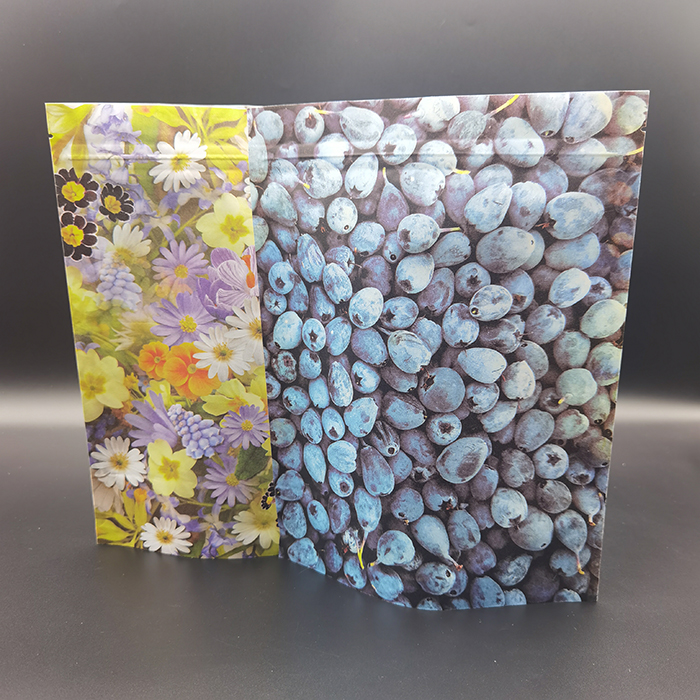

You can visit our website to know more about our flexible packaging pouch:
Если вы планируете поездку в Калининград, необходимо помните, что море в Калининграде — это Балтийское море, уровень температуры воды здесь довольно холодная, и плавательный сезон занимает период в основном с июля по август. Можно ли плавать в Балтийском море в Калининграде? Да, допустимо, но вода редко нагревается выше 18–20 градусов, так что ожидайте этого к этому. Также стоит познакомиться с такие объекты, как Танцующий лес и музей Янтаря, а вечером не игнорируйте органный концерт в главном соборе — это одна из самых захватывающих точек города.
Для времяпрепровождения идеально подходит район Амалиенау с его живописной архитектурой и атмосферными кафе, а также Рыбная деревня — здесь можно вкусно поесть и насладиться морской атмосферой. Перед поездкой лучше узнать последние цены на билеты в Калининградский зоопарк и график органных концертов, чтобы составить план время. Подробнее о погоде, маршрутах и билетах можно найти здесь гвардейск .
Scratch cards are such a fun, quick thrill! Reminds me of the bright, playful energy of sites like chesterfield ph slot – easy to jump in and enjoy! Registration seemed simple, like they really want you to play. 😊