
The Strategic Advantage of Integrating Sustainable Packaging Bags into Modern Commerce
In an era where environmental consciousness directly influences purchasing decisions, the pivot towards sustainable packaging bags is no longer a niche trend but a core business strategy. This shift is driven by a powerful combination of consumer demand, regulatory pressures, and a genuine corporate desire to reduce environmental footprints. The evolution of these bags transcends mere material substitution; it represents a holistic re-imagining of the product lifecycle, from sourcing and manufacturing to end-of-use and beyond. Across the industry, innovations are focusing on enhancing functionality while minimizing ecological impact, creating solutions that are as practical as they are principled.
The Functional Evolution of Eco-Conscious Design
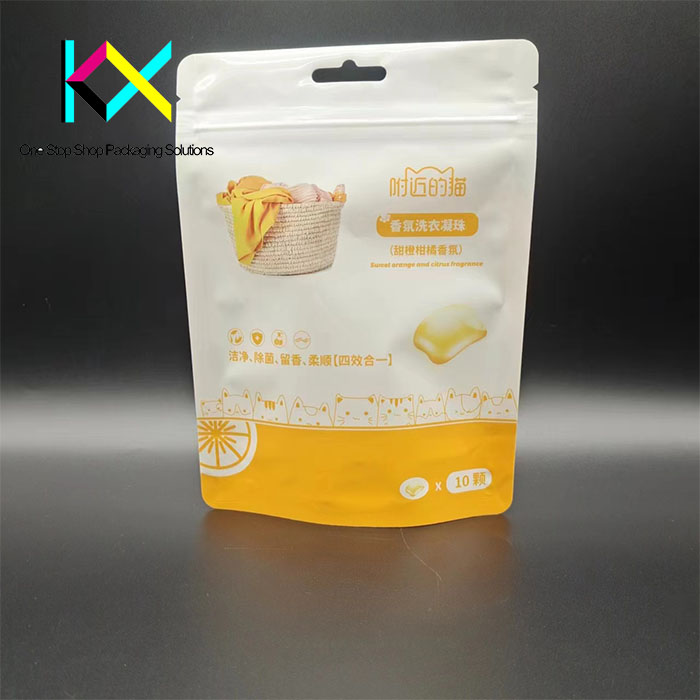
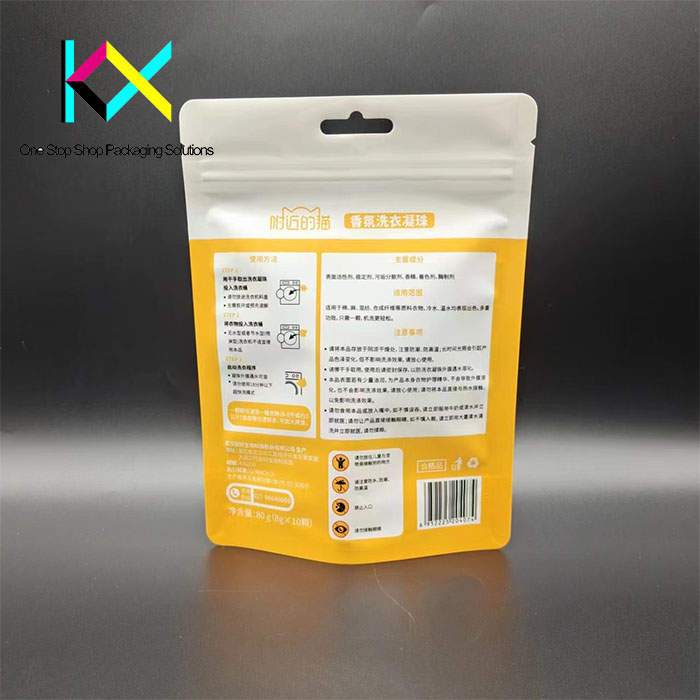
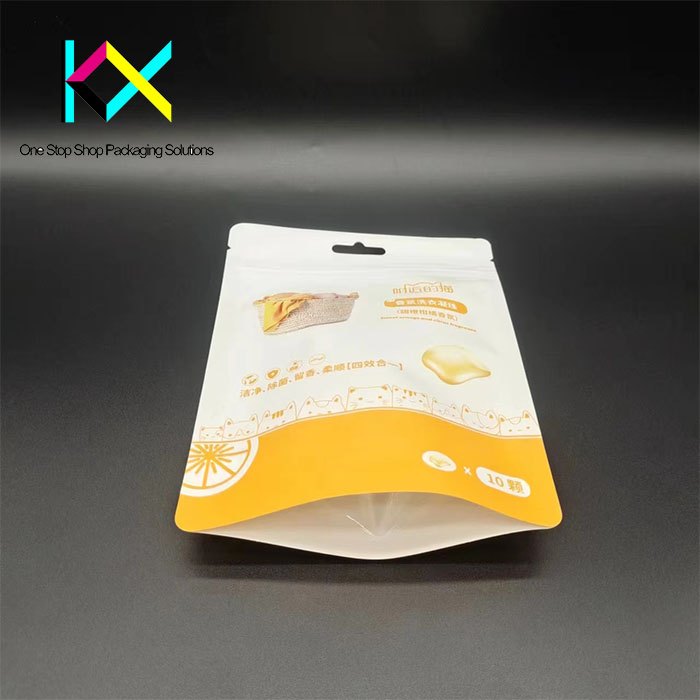
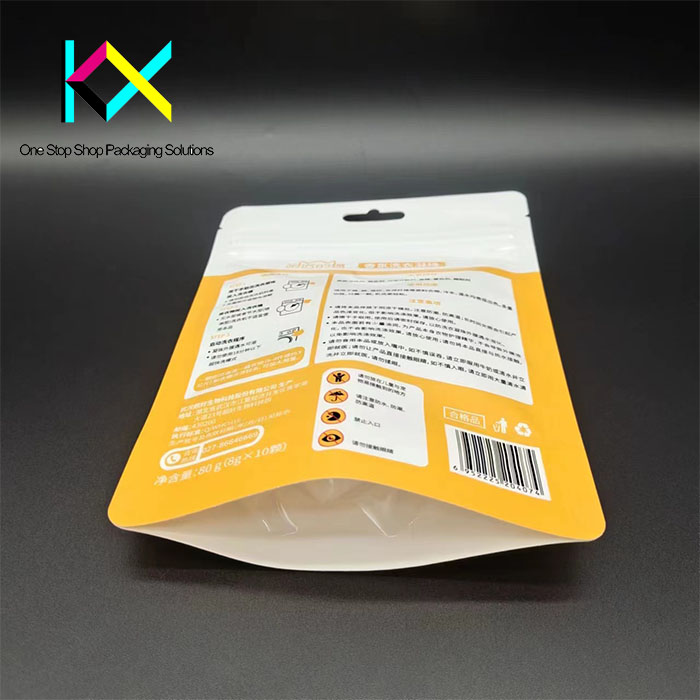
The journey of sustainable packaging bags has moved far beyond simple paper sacks. Today’s solutions incorporate advanced material science to meet the rigorous demands of modern retail and e-commerce. A key development in this space is the rise of the flat bottom zipper pouch. This design ingeniously merges superior functionality with environmental responsibility. The gusseted base allows the pouch to stand upright, maximizing shelf presence and optimizing storage space, while the re-sealable zipper ensures product freshness is maintained over time, reducing food waste—a critical component of sustainability. When constructed from mono-material plastics or certified compostable films, this versatile format becomes a powerful example of how smart design and ecological priorities can align.
Material Innovation: The Backbone of Green Packaging
The credibility of any sustainable packaging bags hinges on the raw materials from which they are made. The current market dynamics showcase a diverse portfolio of options. There is significant growth in the use of post-consumer recycled (PCR) content, giving a new life to existing plastics and supporting a circular economy. Simultaneously, compostable polymers derived from renewable resources continue to advance, offering a viable end-of-life solution for organically contaminated contents. For a structure like the flat bottom zipper pouch, this means manufacturers can now produce it using a single type of high-barrier polymer, making it fully recyclable, or from sturdy, certified compostable materials that break down efficiently in industrial facilities.
Addressing the E-commerce Challenge Head-On
The exponential growth of online retail has placed unprecedented demands on packaging, testing its durability and efficiency. The industry is responding by developing sustainable packaging bags that are specifically engineered to withstand the rigors of the supply chain. The structural integrity of a well-designed flat bottom zipper pouch makes it exceptionally suited for this role. Its stable base prevents toppling and damage during transit, while the robust sealable closure protects against spills and contamination. By utilizing lightweight yet strong recycled or recyclable materials, these pouches offer a protective, low-waste shipping solution that reduces both damage rates and the carbon emissions associated with transportation, thanks to their minimal weight and volume.
The Critical Link: Consumer Education and End-of-Life
A package’s sustainability is only fully realized if the consumer understands how to dispose of it correctly. This is a pivotal challenge and a major focus for brands committed to genuine environmental impact. Even the most perfectly designed sustainable packaging bags can end up in a landfill if disposal instructions are unclear. The industry is increasingly adopting standardized on-pack labeling, such as the How2Recycle initiative, to provide simple, direct guidance. For a flat bottom zipper pouch, this might involve instructing the user to ensure it is empty and clean before placing it in the recycling bin, or to separate components if they are made of different materials. This transparent communication is essential for closing the loop and ensuring these innovative packages fulfill their environmental promise.
Calculating the Broader Environmental Impact
When evaluating the true ecological footprint of packaging, a life-cycle assessment (LCA) provides the most accurate picture. This comprehensive analysis looks at everything from raw material extraction and manufacturing energy use to transportation and end-of-life processing. Modern sustainable packaging bags often excel in these assessments, particularly in the categories of lightweighting and source reduction. Their minimal material use compared to rigid alternatives directly translates to lower fossil fuel consumption and greenhouse gas emissions throughout the logistics chain. This data-driven approach allows brands to make informed choices and credibly communicate the tangible benefits of their packaging decisions to an increasingly savvy public.
Conclusion: A Smart Investment for Future-Proof Brands
Adopting advanced sustainable packaging bags is an investment in brand resilience and long-term viability. It’s a strategic move that resonates deeply with modern consumers, enhances brand perception, and aligns with global regulatory trends. Functional innovations like the flat bottom zipper pouch demonstrate that businesses do not have to choose between operational performance and planetary responsibility. The fusion of these elements is the new benchmark for success in the soft packaging industry, paving the way for a future where commerce and conservation progress hand in hand.
You can visit our website to know more about our flexible packaging pouch:
can fake shoes be sold on goat – where to buy rep shoes