
Beyond the Bin: The Complex Reality of Recycling Pet Food Pouches
In the ever-evolving landscape of sustainable packaging, the challenge of recycling pet food pouches stands as a formidable test case for the entire flexible packaging industry. These ubiquitous containers, beloved for their convenience and barrier properties, encapsulate the central tension between modern consumer demands and circular economy principles. As conscientious pet owners increasingly seek environmentally responsible choices, the question of how to effectively manage the end-of-life of these complex multi-material pouches has moved from a niche concern to a mainstream imperative. This dilemma mirrors similar challenges across sectors, illustrated by programs targeting specific formats like redcycle coffee bags, and underscores a critical industry-wide pivot towards systemic solutions over singular material fixes.
The Anatomy of a Packaging Puzzle
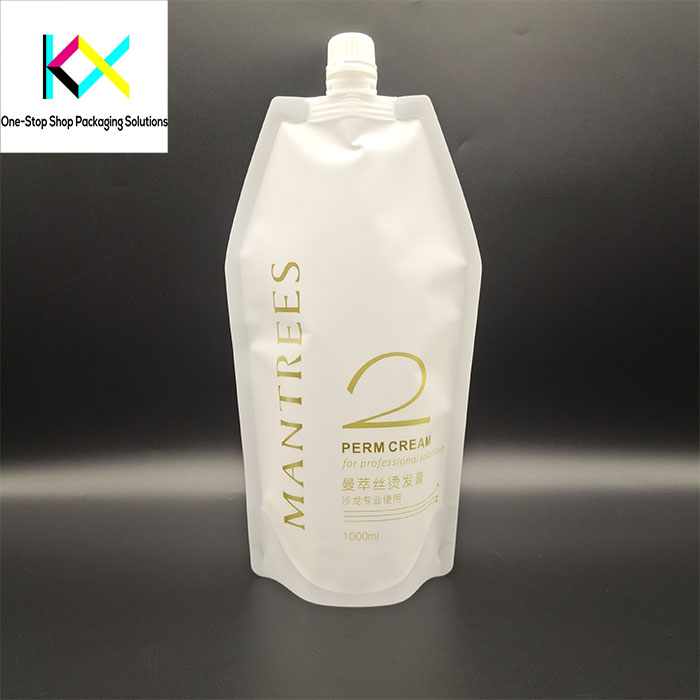
To understand the difficulty of recycling pet food pouches, one must first deconstruct their sophisticated design. Typically, these pouches are laminates of multiple layers—often including polyethylene, nylon, and sometimes aluminum foil—bonded together to create an impermeable barrier against moisture, oxygen, and odors, ensuring kibble freshness. This very effectiveness is what makes them so problematic for traditional mechanical recycling systems, which struggle to separate and purify these intertwined materials. The residue of fats and proteins from the food further complicates the process, leading to contamination. This multifaceted challenge is not unique; it is shared by other beloved flexible packages, such as the redcycle coffee bags popular in specialty markets, which also combine plastic layers with aluminum for aroma preservation, creating a similar end-of-life conundrum.
From Voluntary Programs to Regulatory Drivers
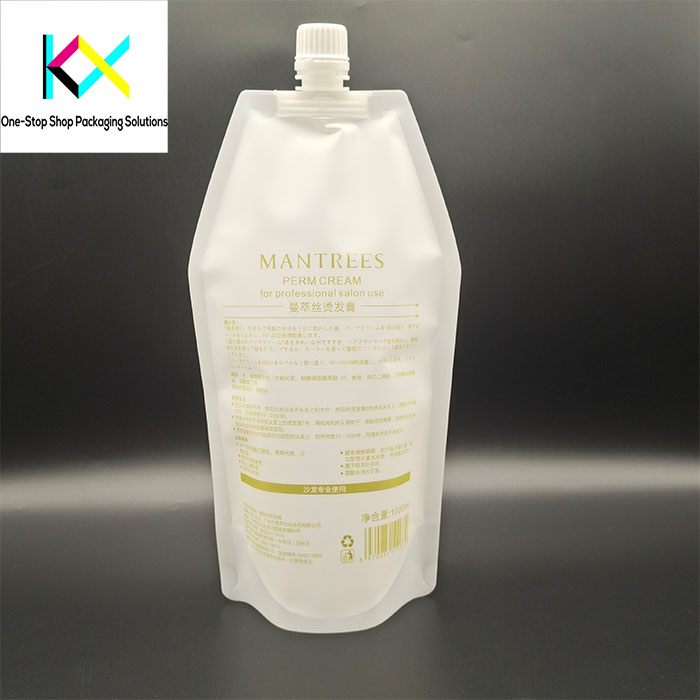
The industry’s response has progressed through distinct phases. Initiatives like Australia’s now-paused redcycle coffee bags collection scheme highlighted both consumer appetite for solutions and the immense logistical and economic hurdles of handling post-consumer flexible films. Such programs demonstrated that collection is only the first step, with the lack of viable, scalable reprocessing technology being a significant bottleneck. This experience has informed a more holistic approach. Today, the drive for recycling pet food pouches is increasingly fueled by regulatory pressures, such as Extended Producer Responsibility (EPR) laws, which mandate that manufacturers financially contribute to and plan for the recovery of their packaging. This shifts the focus from voluntary consumer action to mandatory corporate accountability, accelerating investment in upstream design and downstream infrastructure.
Innovation at the Design Stage: The Mono-Material Push
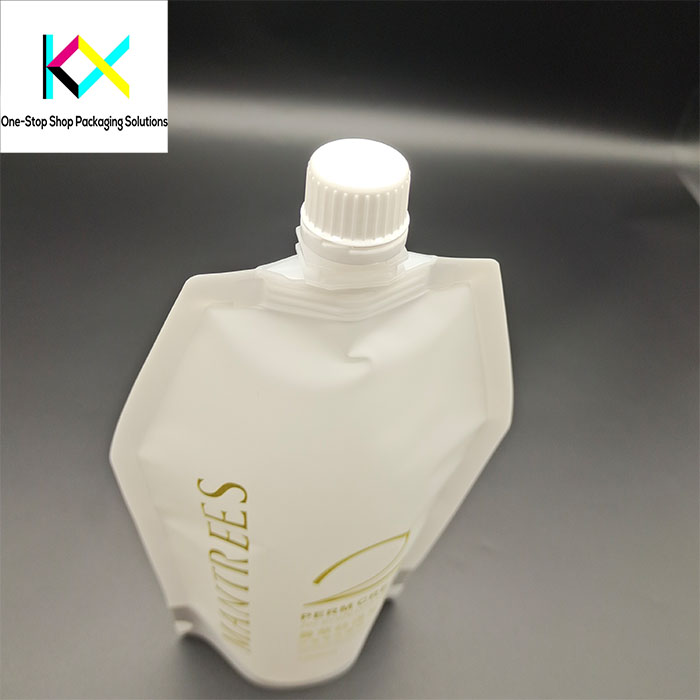
The most promising pathway forward lies in prevention—designing pouches for recyclability from the outset. The industry is witnessing a significant shift towards mono-material construction. Advanced polyolefin-based films are being engineered to provide the high-barrier performance once requiring mixed materials. A new generation of recycling pet food pouches is emerging, made primarily from a single type of polyethylene (PE) or polypropylene (PP). This allows them to be compatible with existing plastic film recycling streams, similar to grocery bags. This “design for recycling” philosophy, moving away from complex laminates, represents the fundamental shift needed to make the circular economy a reality for flexible packaging, learning from the limitations faced by earlier multi-material collections.
The Rise of Advanced Recycling Technologies
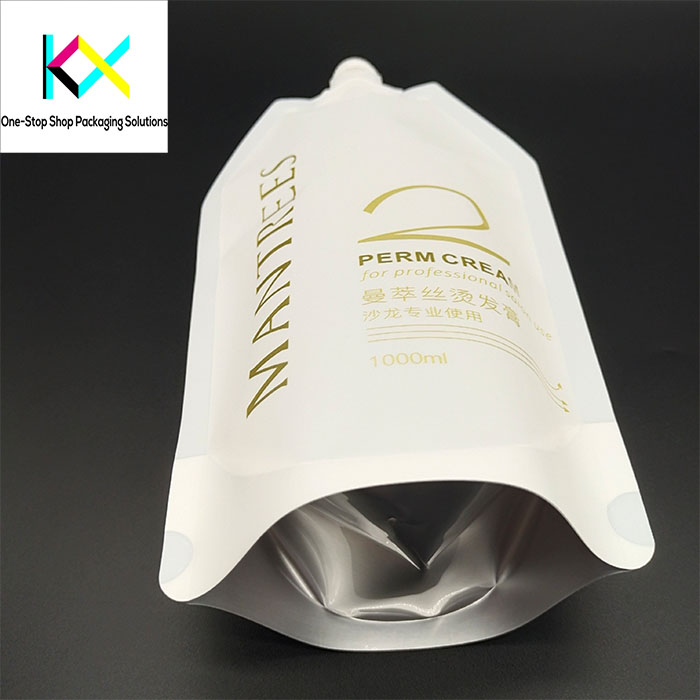
While design simplification is crucial, technology to handle today’s complex waste is also advancing. Chemical recycling, or advanced recycling, offers a complementary solution. These processes, such as pyrolysis or depolymerization, can break down mixed and contaminated plastics—including challenging formats like used recycling pet food pouches or collected redcycle coffee bags—into their basic molecular building blocks or fuels. These outputs can then be used to create new, virgin-quality plastics. This technology is not without controversy, concerning energy use and outputs, but it presents a potential pathway to manage the legacy packaging already in circulation and those formats where ultra-high barriers remain temporarily essential.
Consumer Engagement: The Critical Human Link
Even with perfect design and advanced technology, no system functions without informed participation. Clear, standardized on-pack labeling is essential to guide pet owners on proper disposal, distinguishing between truly recyclable mono-material pouches and those requiring store drop-off programs. Education must demystify terms like “recyclable” and explain specific local options. Building this human infrastructure is as vital as building the mechanical one. Transparency about the challenges—such as why certain pouches cannot go in curbside bins—builds trust and fosters a collaborative effort between brands, municipalities, and consumers to improve recovery rates for all flexible packaging.
Conclusion: An Integrated Path to Circularity
The quest for effective recycling pet food pouches is a microcosm of the broader flexible packaging industry’s journey toward sustainability. It reveals that there is no single silver bullet. The solution lies in a multi-pronged, integrated strategy: aggressively pursuing mono-material pouch designs that are inherently recyclable; investing in and responsibly scaling advanced recycling for existing complex waste streams; advocating for coherent regulatory frameworks like EPR; and committing to relentless consumer education. Learning from the experiences of targeted programs for items like redcycle coffee bags, the industry must build resilient systems, not just temporary collection points. By tackling the challenge holistically, brands can honor their responsibility to both the pets that enjoy their products and the planet that holds us all.
You can visit our website to know more about our flexible packaging pouch:
If you’re looking for a spooky good time, this puzzle game is a must-play! creepy cemetery challenges you with its unique mechanics and atmospheric setting. It’s a fantastic choice for anyone who enjoys a good brain teaser with a touch of horror. Highly recommended for a fun, engaging experience!
777bet online casino
A major highlight of 777bet is its intuitive interface that significantly improves the overall betting experience.