
Recyclable Plastic Bags for Packaging: Designing a Future Beyond Single Use
The conversation surrounding plastic waste has catalyzed a profound transformation within the packaging industry, with a clear focus on creating genuine circular solutions. Central to this shift is the development of recyclable plastic bags for packaging. This category moves beyond traditional, linear models of disposal by intentionally designing bags that can be collected, processed, and remanufactured into new products. The innovation extends to various formats, including the highly functional and ubiquitous recyclable resealable bags, demonstrating that convenience and sustainability are no longer mutually exclusive. This evolution is driven by advancements in material science, a reimagining of product design, and a growing systemic emphasis on closing the loop.
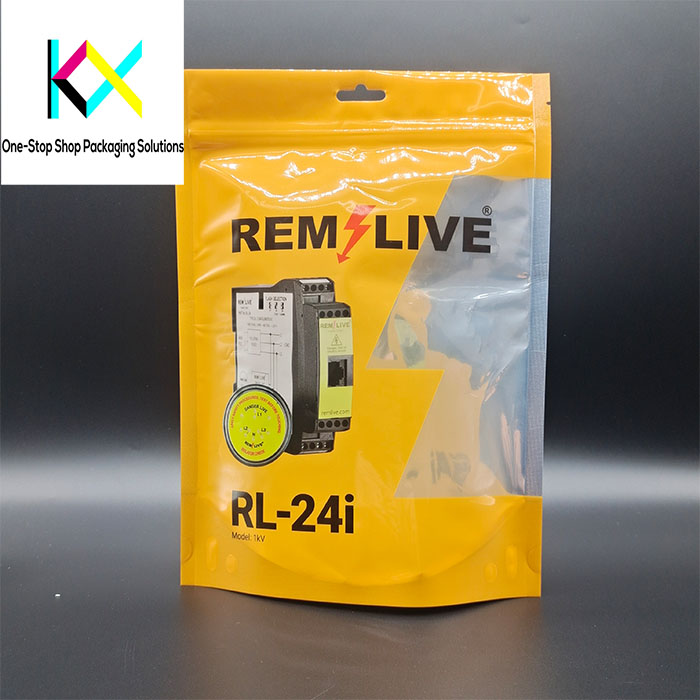
Mono-Material Design: The Foundation of True Circularity
Historically, flexible packaging has relied on laminates of different polymers to achieve necessary strength, clarity, and barrier properties. This complexity rendered them unrecyclable in conventional systems. The modern breakthrough is the strategic adoption of mono-material construction. By utilizing a single type of polymer—such as polyethylene (PE) or polypropylene (PP)—throughout the entire bag structure, manufacturers create a stream-compatible product. Whether it’s a simple recyclable plastic bags for packaging bulk items or a sophisticated recyclable resealable bags for food, this uniform composition allows for efficient sorting and processing in plastic film recycling programs, turning waste into a valuable feedstock.
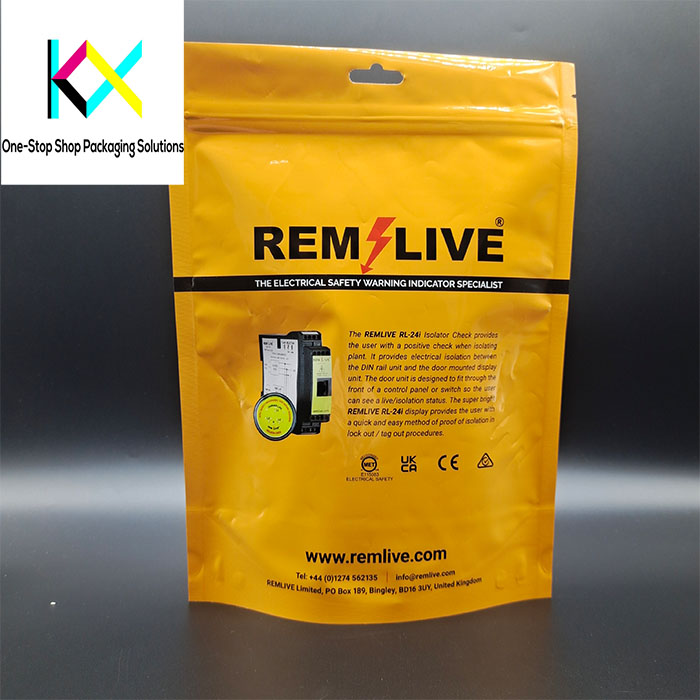
Engineering Functionality into the Circular Loop
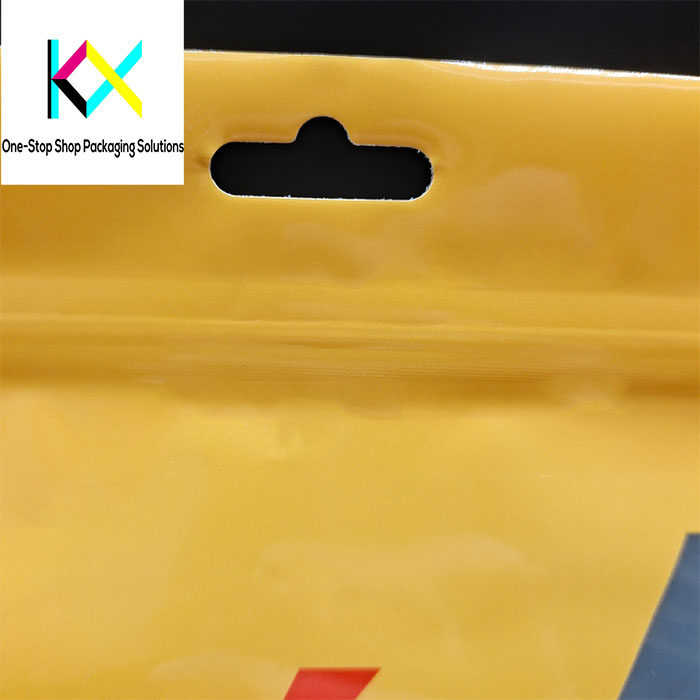
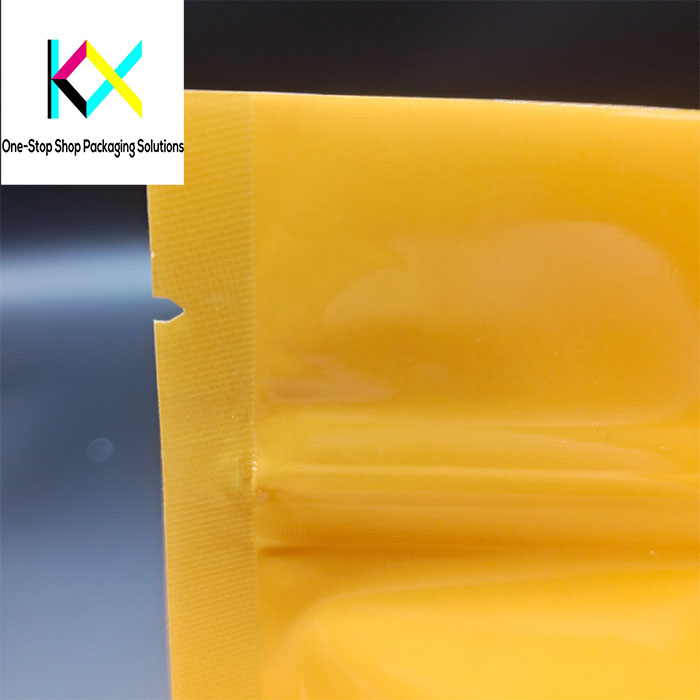
A significant challenge has been integrating user-centric features without compromising recyclability. The zipper closure, essential for product freshness in many applications, was traditionally a different plastic, contaminating the stream. Today, innovations allow for these features to be made from the same base polymer as the bag itself. Advanced extrusion and sealing technologies enable the creation of high-performance recyclable resealable bags where every component is designed for end-of-life recovery. Similarly, prints and inks are being reformulated to be compatible with recycling processes, ensuring that the visual appeal of a recyclable plastic bags for packaging does not hinder its next life.
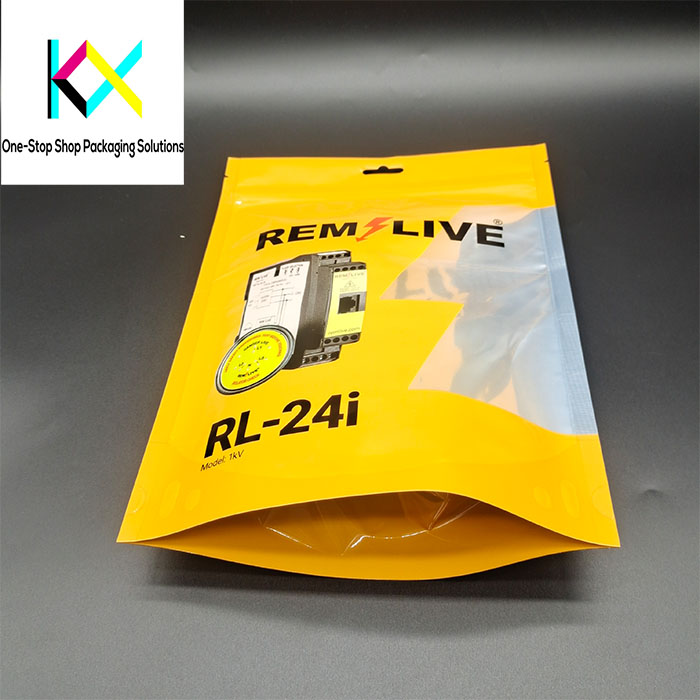
Aligning with Evolving Recovery Infrastructure
The success of these designs is inextricably linked to the waste management ecosystem. Recognition of this interdependence is a key current dynamic. Brands and converters are actively engaging with recyclers and industry groups to ensure new packaging formats are aligned with existing and emerging recovery technologies. This includes designing for both mechanical recycling, where bags are washed, melted, and pelletized, and advanced recycling, which breaks plastics down to their molecular building blocks. Clear, standardized on-pack labeling, such as the How2Recycle store drop-off instruction, is critical to guide consumers to deposit these items correctly, ensuring they enter the proper recovery stream instead of contaminating curbside bins.
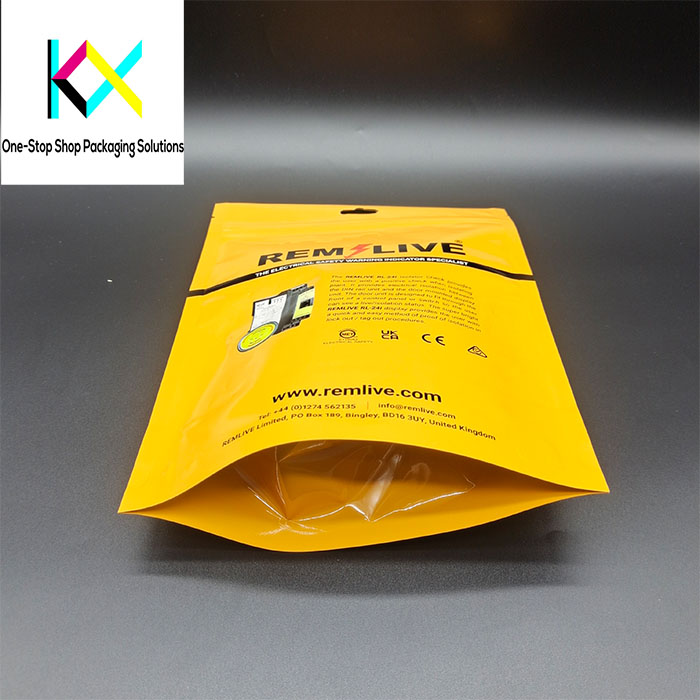
The Role of Policy and Corporate Leadership
Regulatory and market forces are accelerating this transition. Extended Producer Responsibility (EPR) frameworks are placing the onus on brands to manage the post-consumer fate of their packaging, making investments in recyclable design financially prudent. Simultaneously, ambitious corporate sustainability commitments are creating powerful demand signals. Major retailers and global brands are setting targets for incorporating post-consumer recycled (PCR) content, which in turn requires a clean, consistent supply of recycled material from products like recyclable plastic bags for packaging. This creates a virtuous cycle, driving innovation and investment in collection and processing systems.
Consumer Education as a Critical Catalyst
Technological innovation alone is insufficient. Consumer participation is the crucial final link. Public understanding of how to properly handle flexible plastics remains a hurdle. Therefore, part of launching a recyclable resealable bags or any new circular format is a commitment to clear communication. This involves not just on-pack instructions but also broader educational campaigns that explain the “why” and “how,” transforming disposal from an afterthought into a conscious act of participation in the circular economy. Empowering the consumer is fundamental to achieving high collection and contamination-free recycling rates.
The Horizon: From Recyclable to Recycled
The ultimate goal is not just to create packages that can be recycled, but to ensure they are recycled and reused. The next frontier is closing the loop by incorporating high levels of PCR content back into new bags. This presents technical challenges, as recycled resin must maintain clarity, strength, and food-contact safety. Ongoing advancements in sorting, cleaning, and polymer purification are making this increasingly feasible. The future envisions a system where a used recyclable plastic bags for packaging is efficiently transformed into the raw material for a new generation of products, minimizing virgin resource extraction and truly realizing a circular model.
Conclusion: A Pragmatic Path Forward
The advancement of recyclable plastic bags for packaging, from simple sleeves to complex recyclable resealable bags, represents a pragmatic and necessary evolution in the industry’s approach to sustainability. It acknowledges the functional benefits of plastic while systematically addressing its end-of-life impact. This path requires collaboration across the entire value chain—from material scientists and designers to brands, recyclers, and consumers. By embracing mono-material design, engaging with recovery systems, and prioritizing clear communication, the industry is building a viable pathway where packaging is viewed not as waste, but as a perpetual resource. This is the foundation for a resilient, circular economy that balances modern needs with planetary responsibility.
You can visit our website to know more about our flexible packaging pouch:
Having problems accessing Sige777? sige777linklogin comes in clutch. I recommend using this URL so you can log in to your account without the worry of getting scammed: sige777linklogin
I have checked out lots of virtual casinos lately, and I’m always shocked how often users join a site without verifying anything. If anyone’s looking for a helpful review of key platform details, this write-up worked well for me: https://telegra.ph/Emociona-tus-sentidos-con-la-volatilidad-y-los-premios-explosivos-de-Sugar-Rush-el-juego-de-azar-qu-11-23
It’s simple to read and breaks down the important points before funding your account. You should check it out if you want to avoid common mistakes.
aviator game online offers an exciting experience and the opportunity to win real money directly from your device.
The objective for players is to wager on a multiplier that escalates at a fast pace.
Spend a luxurious evening with goodday 4play!
It can stimulate critical thinking and problem-solving skills.
В казино 1win avia игроки могут наслаждаться захватывающими взлетами и множеством возможностей для выигрыша.
А также предлагаются разнообразные настольные игры для истинных ценителей.
Discover a world of entertainment with 777bet live, where unforgettable gaming moments and big wins await you!
One platform that stands out is 777bet, which has gained immense popularity among bettors.
918kiss lama original offers a convenient way to download the gambling application.
Once the download is complete, installation is straightforward.
playboy888
Playboy888 provides numerous promotions aimed at improving the overall user experience.