
Recyclable Packaging Pouches: The Evolution of a Sustainable Solution
In the dynamic world of soft packaging, the push towards a circular economy has brought recyclable packaging pouches into sharp focus. This represents a fundamental shift from complex, multi-material structures to designs engineered for recovery and rebirth. The industry is moving beyond mere claims, investing in material science and systems thinking to make the recyclability of flexible packaging, including specialized formats like recyclable cookie bags, a practical and widespread reality. This journey involves overcoming historical technical barriers, aligning with evolving infrastructure, and meeting the discerning demands of the modern consumer.
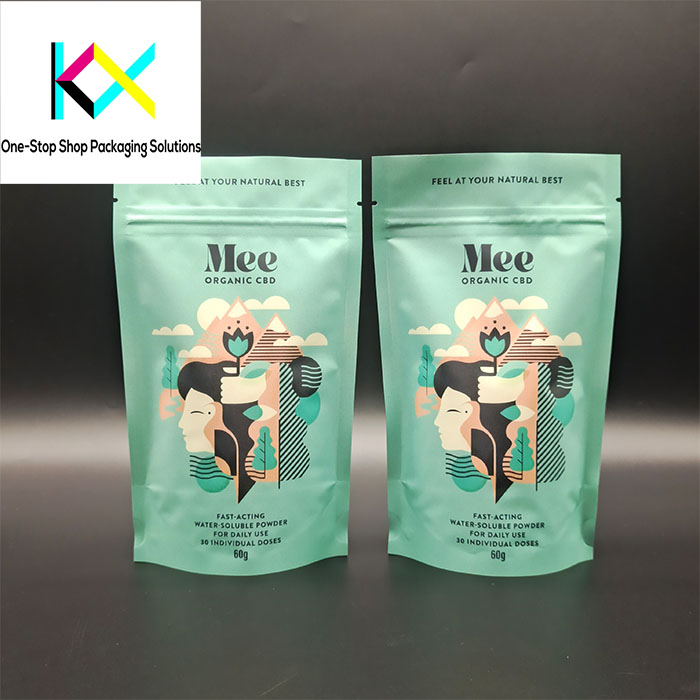
The Mono-Material Revolution
For decades, the exceptional functionality of pouches—their lightweight nature, excellent barrier properties, and printability—relied on layering different plastics and metals. This created a recycling nightmare. The contemporary breakthrough lies in mono-material construction. By utilizing advanced grades of a single polymer family, such as polyethylene (PE) or polypropylene (PP), manufacturers can now produce high-performance recyclable packaging pouches. These innovations maintain crucial barriers against oxygen and moisture while ensuring the entire structure is compatible with established plastic recycling streams. This approach is particularly impactful for products like snacks and confectionery, paving the way for truly recyclable cookie bags that do not compromise on freshness or shelf appeal.
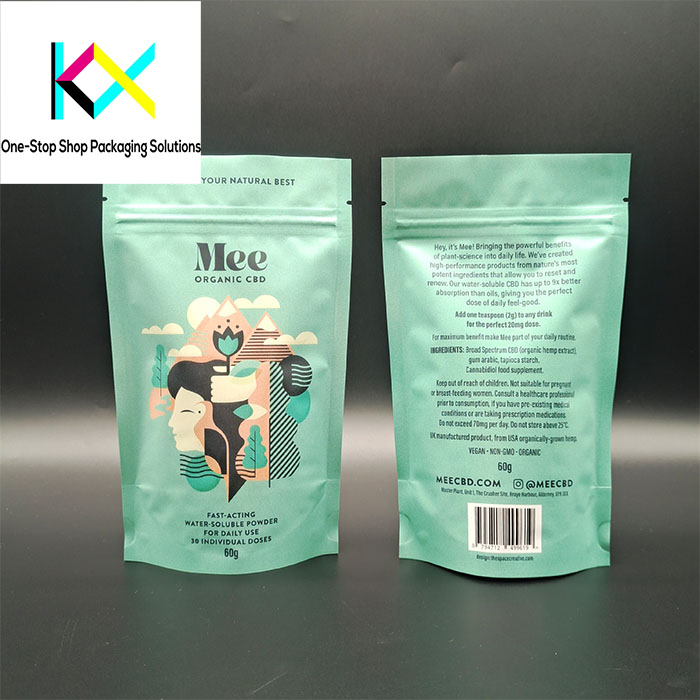
Performance Without Compromise
A primary driver for the complex layers in traditional packaging was product protection. The success of new recyclable solutions hinges on matching this performance. Significant R&D is dedicated to enhancing the properties of mono-material films. This includes developing innovative additives and creating sophisticated co-extruded structures within the same polymer family. For instance, a recyclable cookie bag must be robust enough to prevent crumbling, provide an effective moisture barrier to maintain crispness, and often include a resealable feature—all while remaining a uniform material for sorting facilities. The latest generation of films meets these challenges, proving that circular design and product integrity are not mutually exclusive.
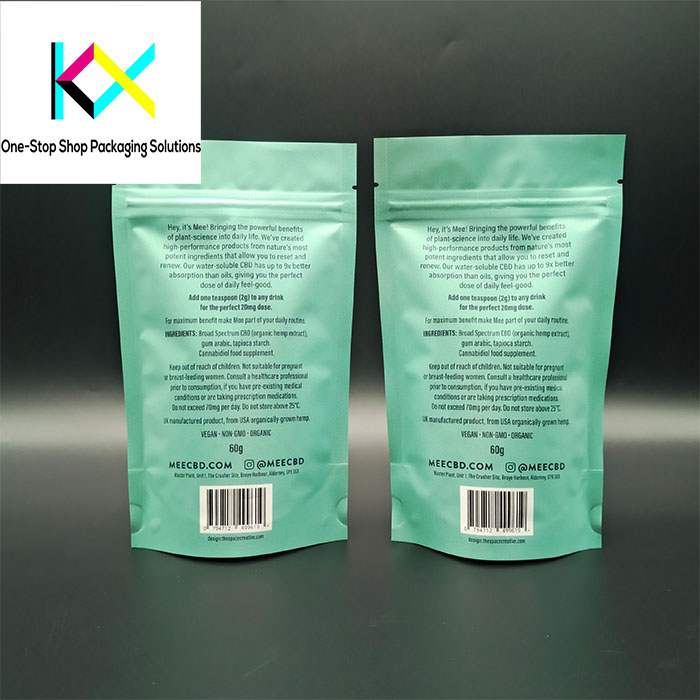
The Critical Link: Design for Recycling
Creating a technically recyclable pouch is only the first step. Its actual recovery depends on seamless integration into the waste management ecosystem. This has given rise to the “Design for Recycling” framework. Guidelines now emphasize minimizing inks and adhesives, using water-based coatings, and ensuring easy separation of any components. For a recyclable packaging pouches to fulfill its promise, it must be recognized and correctly sorted by automated facilities. Industry coalitions are working to standardize these design principles, ensuring that pouches are not just theoretically recyclable but optimally designed for the systems that will process them. This systemic thinking is what transforms a standalone product into a viable component of the circular economy.
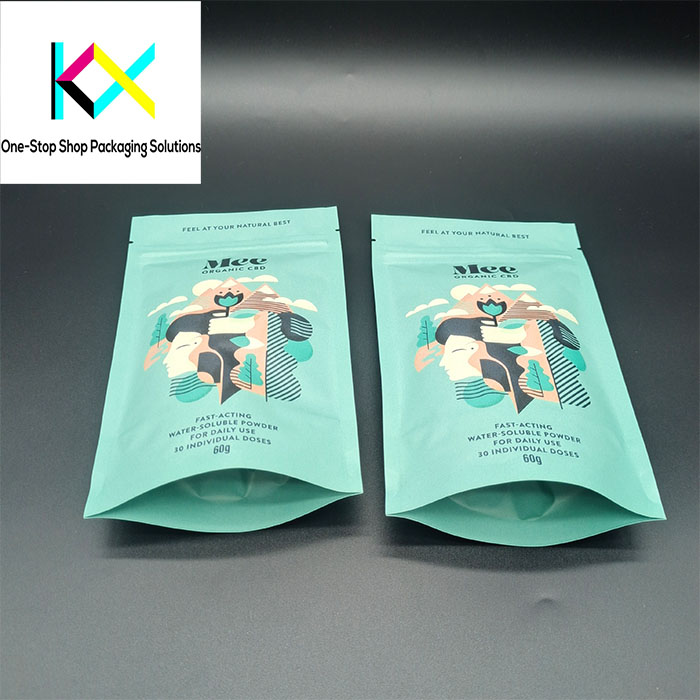
Consumer Engagement: The Missing Piece
Even a perfectly designed package can fail its environmental mission if consumers are confused about disposal. Clear, actionable communication is paramount. The industry is increasingly adopting standardized on-pack recycling labels, such as the How2Recycle initiative, which provide specific instructions. Telling a consumer to “empty and replace the cap” or “recycle with flexible plastics” provides the clarity needed to prevent contamination. For a recyclable cookie bag, this might mean instructing users to ensure it is clean of crumbs. Brands are leveraging this communication not just as a disposal guide, but as a tool for consumer education and trust-building, turning the package into a touchpoint for environmental stewardship.

Economic Drivers and Regulatory Tailwinds
The transition to recyclable packaging pouches is accelerated by powerful external forces. Extended Producer Responsibility (EPR) regulations are being enacted globally, making brands financially responsible for the end-of-life management of their packaging. This creates a direct economic incentive to design for recyclability. Simultaneously, major retailers and corporations are setting ambitious sustainability targets for their private-label and branded products, with specific mandates for recycled content and recyclable design. This creates a powerful market pull, encouraging converters and material suppliers to innovate. The demand for solutions like mono-material recyclable cookie bags is thus driven by a confluence of policy, corporate commitment, and investor expectations.
The Future: Integration and Advanced Processing
Looking ahead, the trajectory points towards greater integration of recycled content back into new pouches, closing the loop. This requires not only design for recycling but also investment in advanced recycling technologies. Mechanical recycling has its limits, particularly for flexible films. Chemical recycling, which breaks plastics down to their molecular building blocks, offers a promising complementary pathway. It can handle certain food-contact applications and complex streams, potentially creating virgin-quality materials from used recyclable packaging pouches. The future system will likely be hybrid, leveraging both mechanical and chemical processes to maximize the recovery and value of these materials.
Conclusion: A Collective Imperative
The rise of functional and reliable recyclable packaging pouches marks a mature phase in the industry’s sustainability journey. It moves from aspiration to execution, addressing the full lifecycle of a package. From the technical triumph of mono-material barriers for recyclable cookie bags to the essential work of consumer education and infrastructure development, success is inherently collaborative. For brands, adopting these solutions is now a strategic imperative—a way to mitigate regulatory risk, meet stakeholder expectations, and connect with values-driven consumers. The path forward is clear: designing packaging not just for its first use, but for its next life, fostering an economy where nothing is truly wasted.
You can visit our website to know more about our flexible packaging pouch: