
The Integrated Lifecycle of Modern Recyclable Flexible Pouches
The global shift towards a circular economy has fundamentally redefined innovation within the soft packaging sector, placing recyclable flexible pouches at the epicenter of this transformation. This evolution transcends a singular focus on material substitution, advocating instead for a holistic, systems-based approach that considers every stage from initial design to end-of-life recovery. The journey of creating truly circular recyclable flexible pouches represents a collaborative endeavor, demanding alignment between material scientists, brand owners, converters, waste management entities, and consumers. It’s a complex but necessary pivot from the traditional linear model, especially for ubiquitous plastic pouch food packaging, which faces intense scrutiny and holds significant potential for environmental improvement.

Material Innovation: The Mono-Material Imperative
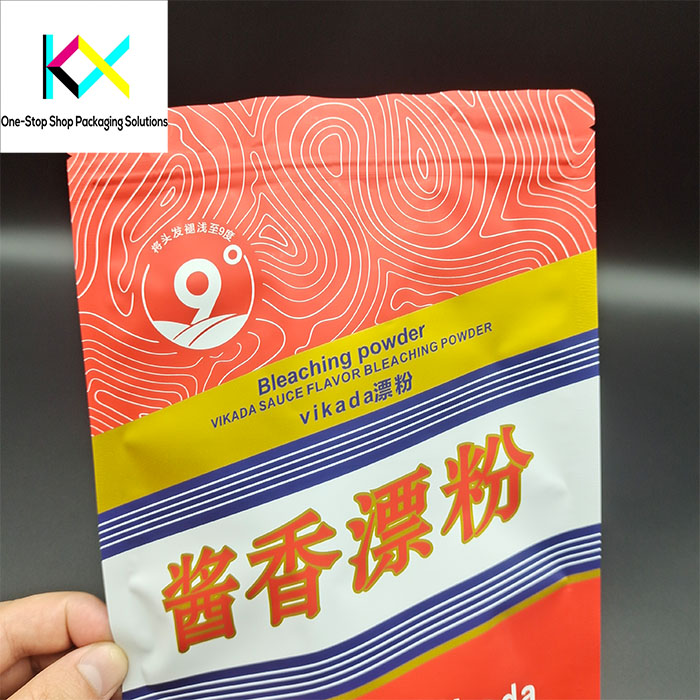
The most critical advancement enabling this shift is the move from multi-layer laminates to mono-material structures. Traditional plastic pouch food packaging often combines different polymers (like PET, PE, or PP) and aluminum to achieve superior barrier properties, creating a recycling nightmare. The new generation of recyclable flexible pouches is engineered using advanced grades of a single polymer family. Through innovations in co-extrusion and polymer enhancement, these mono-material films—typically based on polyethylene (PE) or polypropylene (PP)—can now provide the necessary barriers against oxygen, moisture, and grease. This singular material composition is the non-negotiable foundation for ensuring these pouches are compatible with existing mechanical recycling streams, transforming them from waste into a valuable resource.
Design for Recycling: Beyond Material Choice
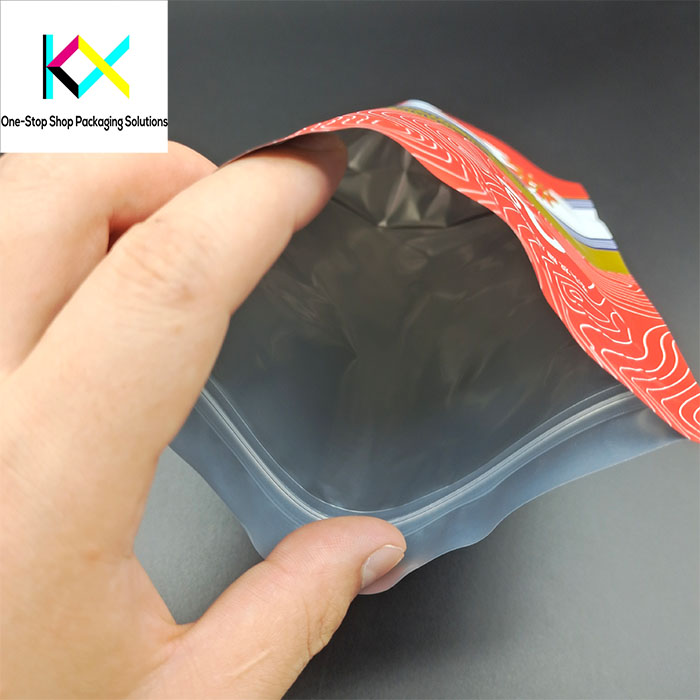
Creating a pouch from a mono-material is the first step; optimizing every component for recovery is the next. The industry is now governed by “Design for Recycling” (DfR) principles. This means scrutinizing elements beyond the film itself: ensuring inks are water-based or easily deinked, avoiding problematic adhesives, and designing closures and zippers from the same polymer as the pouch body. For a recyclable flexible pouches to fulfill its promise, every aspect must facilitate, not hinder, the recycling process. This meticulous design philosophy is crucial for maintaining the quality of the recycled output, ensuring it can be used to create new, high-quality products, thereby closing the loop effectively for all types of plastic pouch food packaging.
The Infrastructure Gap: Connecting Design to Recovery
A perfectly designed recyclable flexible pouches is only as good as the system that receives it. A significant dynamic is the urgent need to bridge the gap between packaging innovation and recycling infrastructure. While mono-material pouches are technically recyclable, they often require collection through store drop-off programs for plastic films, not curbside bins. Consumer confusion remains a major barrier. Therefore, industry leadership now extends to active participation in building and funding recovery systems, advocating for policy like Extended Producer Responsibility (EPR), and investing in advanced recycling technologies. Chemical recycling, which breaks plastics down to their molecular building blocks, is emerging as a complementary solution to handle flexible packaging streams and produce food-grade recycled content.
Consumer Engagement: The Essential Human Link
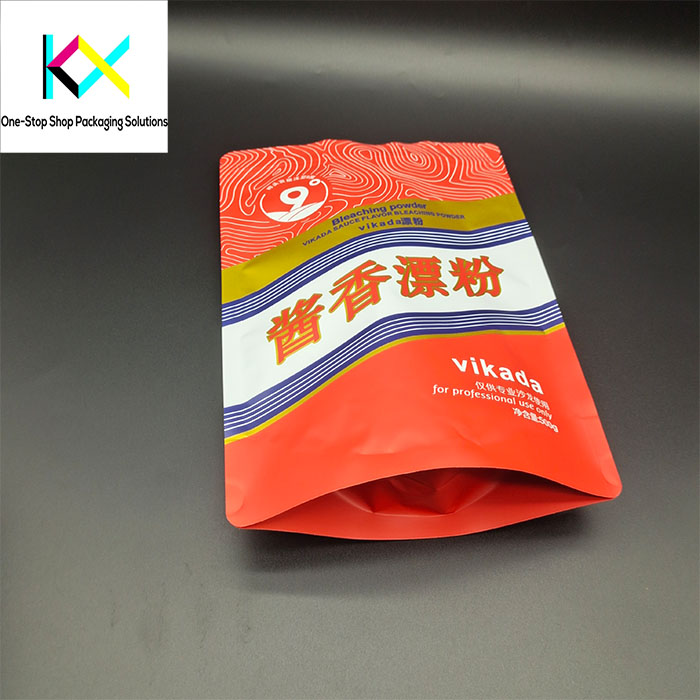
Technology and infrastructure are futile without correct consumer action. Thus, a pivotal component of the lifecycle is clear, actionable communication. Standardized on-pack labeling, such as the How2Recycle icon, is becoming indispensable. It instructs consumers not just that a package is recyclable, but how—e.g., “Store Drop-Off.” For a brand, this turns the plastic pouch food packaging into a touchpoint for education and trust-building. Brands leading in this space use marketing campaigns to explain the “why” behind the design, fostering a sense of shared responsibility and increasing the likelihood of proper disposal, which is the critical step that unlocks the value of recyclable flexible pouches.
Economic and Regulatory Drivers
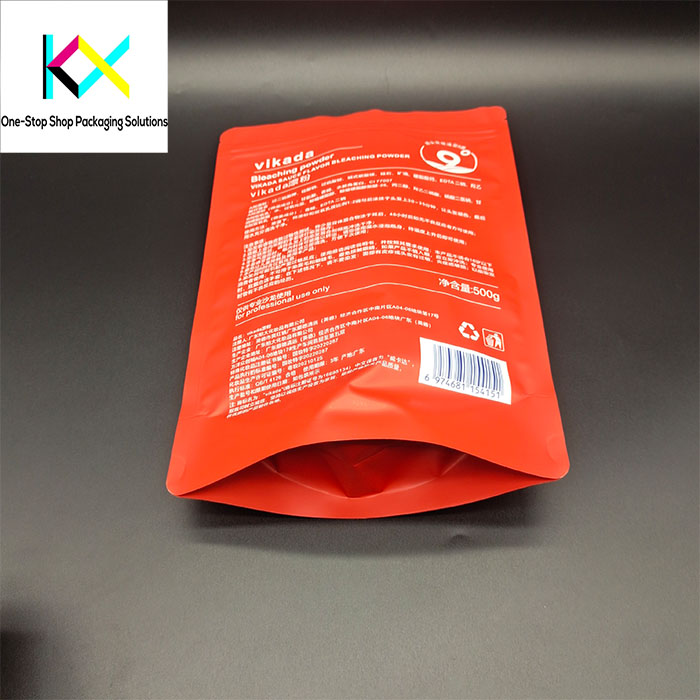
The transition is accelerated by powerful external forces. EPR regulations are making brands financially responsible for end-of-life management, making investment in recyclable design a strategic economic imperative, not just an environmental one. Simultaneously, major corporations are setting ambitious public targets for using post-consumer recycled (PCR) content in their plastic pouch food packaging. This creates a powerful market pull for high-quality recycled material, which in turn depends on a consistent supply of well-designed, clean recyclable flexible pouches entering the system. This regulatory and corporate alignment is creating the economic rationale for the entire circular value chain to scale.
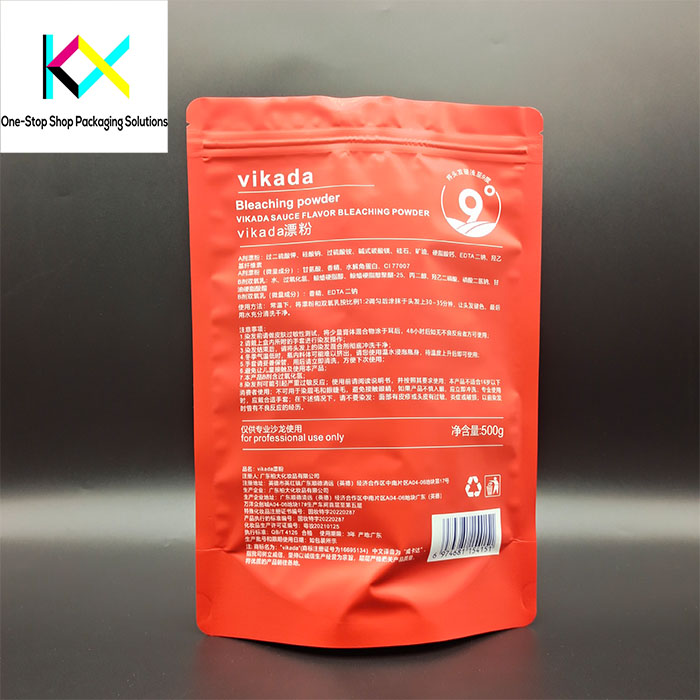
Conclusion: A System-Wide Commitment to Circularity
The future of plastic pouch food packaging is unequivocally circular. The development of high-performance recyclable flexible pouches is a remarkable technical achievement, but it is only one piece of a much larger puzzle. True success requires a system-wide commitment that interlinks material science with intelligent design, robust recovery infrastructure, informed consumer behavior, and supportive economic and regulatory frameworks. For brands, adopting these pouches is now a multifaceted strategy—it mitigates regulatory risk, meets escalating consumer and customer demands, and future-proofs operations. The ultimate goal is clear: to design packaging that is not merely disposable, but is intrinsically valuable for its next life, paving the way for a resilient and responsible packaging ecosystem.
You can visit our website to know more about our flexible packaging pouch: