
The Evolving Landscape of Flexible Plastic Bag Design in Modern Packaging
In today’s dynamic packaging industry, the flexible plastic bag remains a cornerstone of efficiency and innovation, continually adapting to meet new demands for sustainability and performance. This versatile format, particularly in its common pillow pouch packaging configuration, represents far more than a simple container. It embodies a sophisticated convergence of material science, supply chain logistics, and consumer engagement strategies. As brands navigate pressures for reduced environmental impact and heightened shelf appeal, this fundamental packaging type is undergoing a quiet revolution. The evolution is characterized by advancements in recyclability, intelligent design, and a strategic shift towards a circular economy model, redefining a once-standard solution for the modern market.
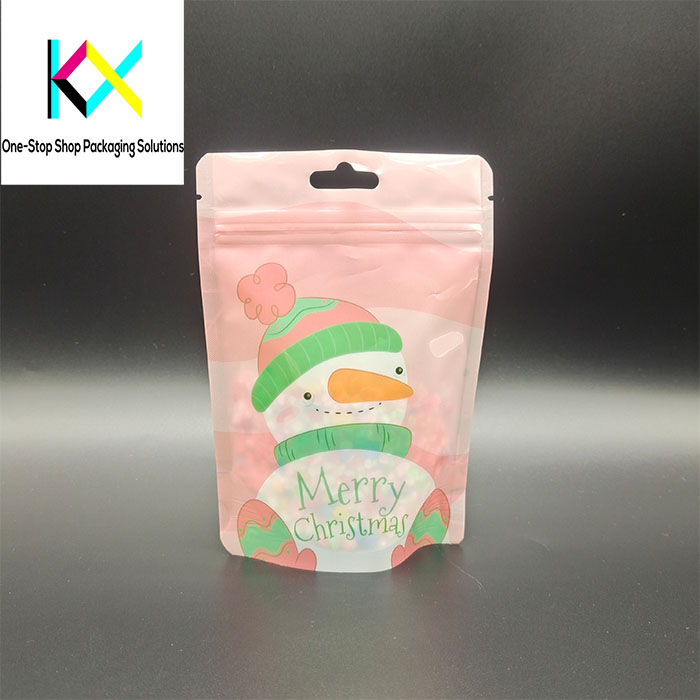
Material Innovation and Mono-Material Construction
A primary driver of change is the urgent push towards circularity. The traditional complexity of multilayer laminates—while excellent for barrier properties—has historically hindered recycling. The current focus is on developing high-performance mono-material structures. This involves creating a flexible plastic bag from a single polymer family, such as polyethylene or polypropylene, which maintains necessary protection against moisture, oxygen, and contaminants. This innovation is crucial for ubiquitous formats like the pillow pouch packaging used for snacks, where achieving long shelf life with a recyclable structure is now a market imperative. These next-generation materials allow the entire package to enter established recycling streams, transforming waste into feedstock for new products.
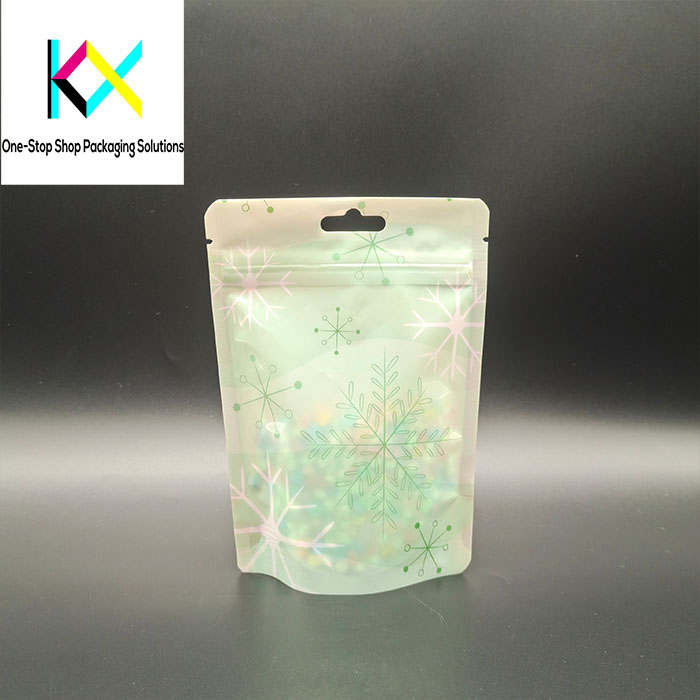
Enhancing Functionality and Consumer Experience
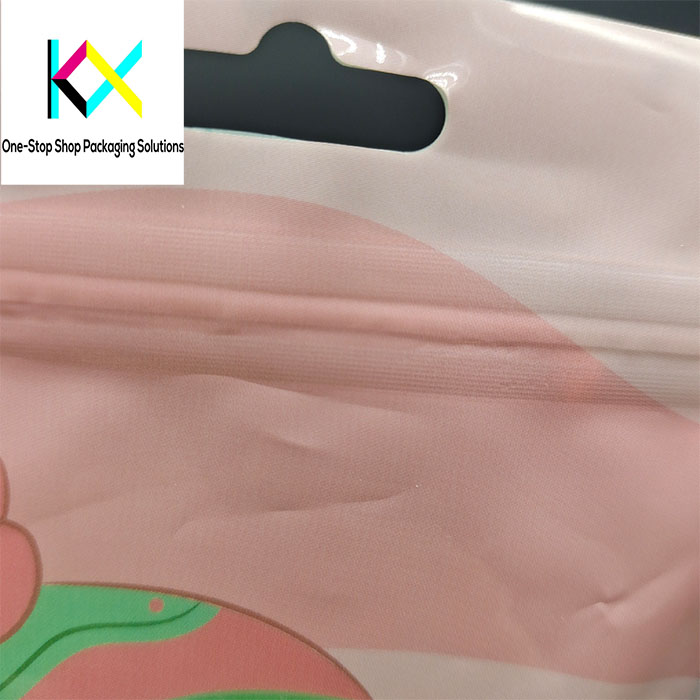
Beyond material composition, the functionality of these bags is being reimagined. The standard pillow pouch packaging is being augmented with user-centric features born from smart design. Easy-tear notches, resealable zippers integrated without contaminating the mono-material stream, and ergonomic shapes improve daily usability and reduce product waste. For the broader category of flexible plastic bag, this means moving beyond a single-use mindset. Features that extend the product’s life after opening or facilitate precise dispensing add tangible value, enhancing brand loyalty. This focus on the user interface turns a passive package into an active part of the product experience.
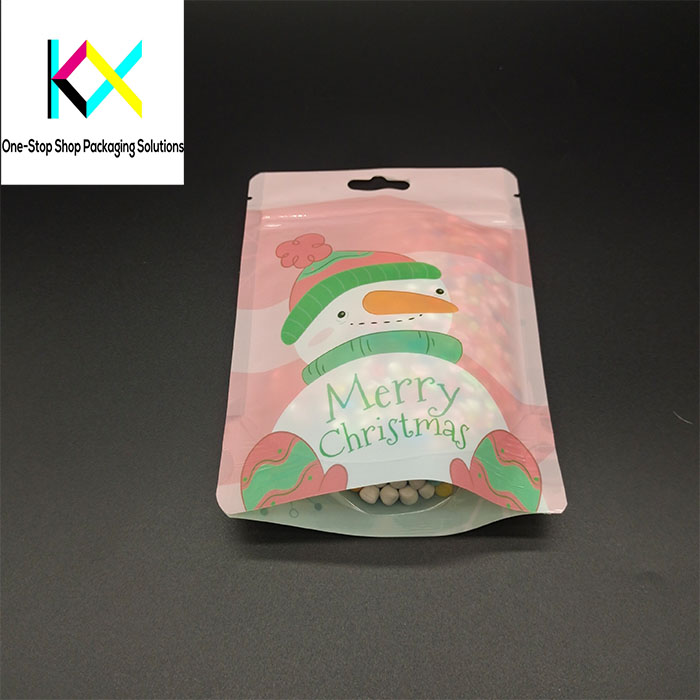
Lightweighting and Source Reduction
One of the most effective and ongoing sustainability strategies is lightweighting—using less material to achieve the same or better performance. Advances in polymer strength and manufacturing precision enable the production of thinner, yet more durable, films. This directly reduces the amount of virgin plastic required for each flexible plastic bag, lowering its carbon footprint from production through transportation. When applied to high-volume items like pillow pouch packaging for baked goods or pasta, the cumulative environmental and economic savings are substantial. This relentless pursuit of doing more with less remains a core tenet of responsible packaging design, proving that efficiency is itself a form of environmental innovation.
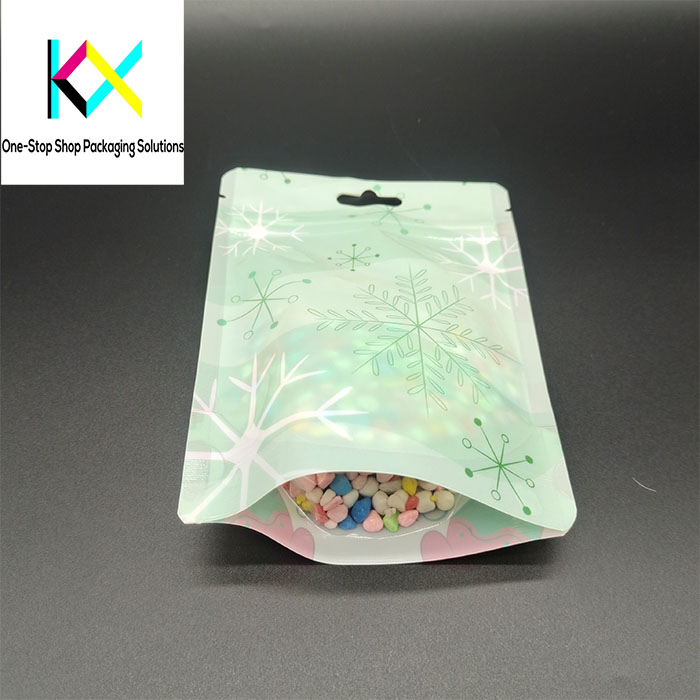
Digital Integration and Supply Chain Intelligence
The future of these packages is connected. Digital watermarks and QR codes, printed with compatible inks, are turning the humble flexible plastic bag into a smart data carrier. A bag of coffee or a pouch of rice can now tell its story: consumers can scan to access origin information, recipes, or proper recycling instructions. For manufacturers, this technology enables unprecedented supply chain visibility, from filling lines to store shelves, aiding in inventory management and combating counterfeiting. This digital layer adds a new dimension to pillow pouch packaging, bridging the physical product with the digital world and fostering deeper consumer engagement and trust.
Navigating the Regulatory and E-commerce Landscape
The operating environment for packaging is shaped by two powerful forces: evolving regulation and the dominance of e-commerce. Legislation worldwide, such as Extended Producer Responsibility (EPR) schemes, is increasing the financial accountability of brands for end-of-life management, making recyclable design a fiscal necessity. Simultaneously, the rise of online shopping demands that a flexible plastic bag be exceptionally durable to survive the logistics journey without damage. This dual pressure fuels innovation in both the material resilience and the environmental profile of formats like the pillow pouch packaging, ensuring they protect products efficiently while being designed for recovery in a circular system.
Conclusion: A Foundation for Future-Proof Packaging
The trajectory of the flexible plastic bag is clear: it is evolving from a commodity item into a strategically engineered component of modern commerce. Through material simplification for recyclability, intelligent feature integration, and digital connectivity, this familiar format is being future-proofed. The pillow pouch packaging, in particular, exemplifies this journey—maintaining its core functional advantages while adapting to the pressing needs of a circular economy and a digitally savvy consumer base. As the industry continues to innovate, these packages will solidify their role not as problems to be solved, but as optimized, responsible, and intelligent solutions for a world that demands more from every resource.
You can visit our website to know more about our flexible packaging pouch:
Immerse yourself in the world of exciting betting with aviator game online and try your luck!
This feature maintains the suspense for players, contributing to their overall experience.